Bird flu: Chemnitz Zoo has to kill numerous birds
After the discovery of dead chickens, Chemnitz Zoo had to take drastic measures. What happens now and when visitors will be allowed back in.

Nachrichten werden geladen...
After the discovery of dead chickens, Chemnitz Zoo had to take drastic measures. What happens now and when visitors will be allowed back in.

Avian influenza has been detected at Chemnitz Zoo. All birds have been tested and the enclosures secured. What happens now at the zoo?
Flu and RSV viruses continue to spread in Saxony. Which population groups are affected?

During the coronavirus pandemic, many companies received financial aid from the state. Years later, they are receiving repayment notices.

Anxiety, depression, eating disorders: more and more girls in Saxony are struggling with them. What a new study shows - and why doctors are sounding the alarm.
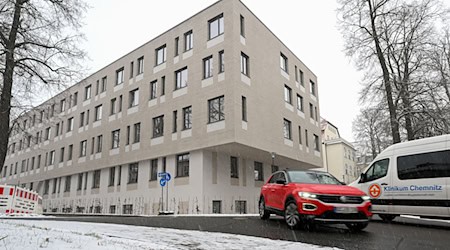
Cardiovascular diseases are the most common cause of death in Germany. A new heart center has now been opened at Chemnitz Hospital to provide better care for patients in the future.

Chemnitz Zoo will remain closed on Thursday due to a suspected case of bird flu. Many questions are still unanswered.
Following a case of tuberculosis at BSZ Kamenz, a further infection has been confirmed. The affected person is being treated and school operations are continuing as normal.
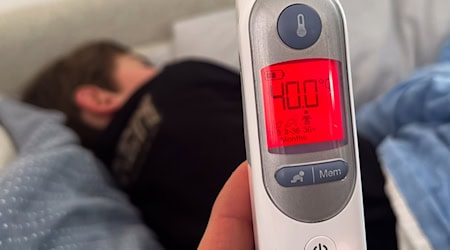
Almost 2,800 cases in one week: the flu epidemic is growing and all age groups are affected. It has claimed the lives of 45 people since the start of the season. More than twice as many with corona.
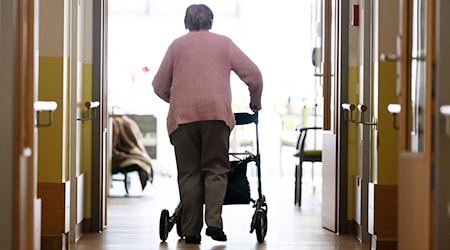
Care for the elderly in Germany is becoming a nursing case. As co-payments continue to rise in homes in Saxony too, calls for reform are getting louder and louder.

Addiction officer Hendrik Streeck calls for more prevention among young people and warns of the social consequences of addiction.
Who pays when nursing home care becomes more and more expensive? What the association is calling for and how Saxony compares with the rest of Germany.

Demecan doubles its cultivation area in Ebersbach and invests millions more. However, the planned amendment to the Cannabis Act means an uncertain future for the company.

Mental health problems among children and young people are on the rise - and pose major challenges for schools. A pilot project aims to give teachers in Saxony more security and guidance.

Researchers at Leipzig University have developed a new method to observe important signal receptors in cells live. Using tiny luminous molecules, they have shown for the first time in living cells how a receptor that helps control heart function works. The discovery: these receptors are not simple switches, but take on different forms depending on the active ingredient. This could enable the development of drugs with fewer side effects.
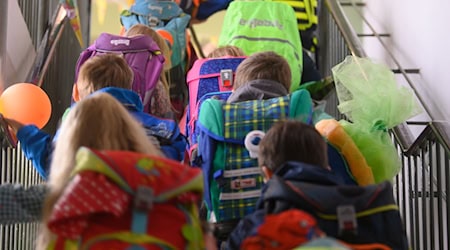
Behavioral problems are also on the rise in everyday school life. After a long period of planning, a project has been launched in Saxony to relieve the burden on teachers and school administrators.

Nursing homes are currently less protected against power cuts than clinics. Health Minister Köpping wants to change this.

The number of blood donations in Saxony, Berlin and Brandenburg is falling significantly due to snow, icy conditions and infections. Why the shortage is particularly critical.
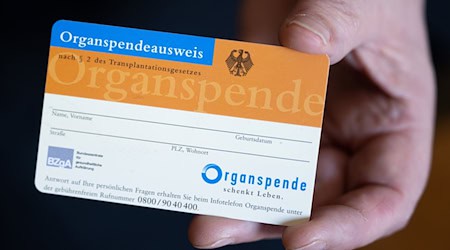
In 2025, fewer organs were donated in Saxony than in the previous year. Nevertheless, the state is above the national average - but the need for donor organs remains high.

Exploding costs, frozen fees: pharmacies in Saxony are struggling to survive. The association sees structural problems.
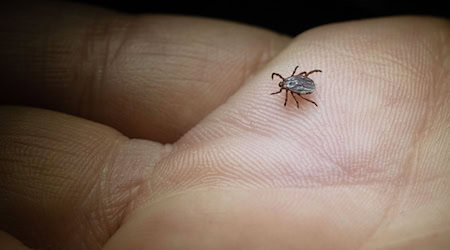
Several federal states have reported a significant increase in Lyme disease cases in the past year. What is the situation in Saxony?
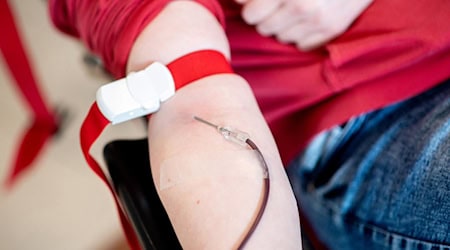
Icy weather and a wave of colds are slowing down blood donors: Why every blood donation in Leipzig counts now - and which blood type is particularly urgently needed.

Five closures instead of ten: the hygiene record of restaurants in Saxony's major cities is better than last year. However, inspectors still frequently found shortcomings.
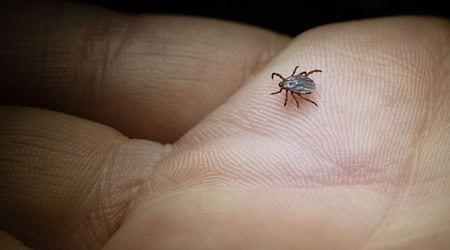
Several federal states have reported a significant increase in Lyme disease cases in the past year. What is the situation in Saxony?

The number of flu cases in Thuringia is rising significantly at the start of the year. What the Ministry of Health has to say about the latest developments.
In Saxony, the number of flu cases rose by 26 percent at the beginning of the year. Why clinics in Bautzen are reaching their limits and what measures should help now.

The number of young people with alcohol poisoning is falling - in Saxony even more than nationwide. But politicians and health insurance companies warn: alcohol is still omnipresent for young people.

Influencers and diet trends put young women under massive pressure. The turn of the year is considered particularly risky because many people change their eating habits.
The new year begins with good news for several parents in Saxony.
Is the Saxon government too lax when it comes to medical malpractice? This is exactly what the Greens are accusing the CDU-SPD coalition of. They point to the self-administration of the Medical Service.
Work stress even after work. According to a study, many people feel exhausted. Family and friends often fall by the wayside. Yet relaxation is urgently needed.

After New Year's Eve, the cityscape is often reminiscent of a battlefield. Military comparisons are also appropriate in other respects. Doctors often have to deal with serious injuries after firecracker accidents.

The number of flu cases in Saxony is rising, with children particularly affected. At the same time, coronavirus infections are falling for the first time this season.

Many doctors go on vacation over Christmas and New Year's Eve. Medical help is still available. The most important contact points in Saxony.

Life-saving blood products are in danger of becoming scarce, especially at the end of the year. The German Red Cross (DRK) is therefore offering extra dates for blood donations. It is advisable to register in advance.

Difficult diagnosis: there is a looming shortage of GPs in Upper Lusatia. Many practices are on the brink of closure and there is a lack of new blood. The Greens are calling for appropriate treatment.
Parents can also rely on the extended entitlement to children's sick pay in the coming year, emphasizes a health insurance company. What families and the self-employed are entitled to.
One moment and the toddler has already swallowed something. Why reaching for the phone is better than asking the AI in such situations, according to an expert, and what peas have to do with it.

The vast majority of practices in Bavaria now use electronic patient records. Nevertheless, many doctors still report hurdles. What is the current status?

The contribution for AOK policyholders in Saxony and Thuringia will remain unchanged in 2026. However, the Board of Directors is calling for reforms on the part of politicians.
Hospitals should not be overburdened in order to stabilize health insurance contributions. Following a compromise, the ball is now in the court of the Bundestag and the Bundesrat.
Eye check without a doctor's appointment: Techniker Krankenkasse is launching a pilot project for free eye checks directly in optical stores or via "Augenmobil".

After a temporary all-clear, Leipzig Zoo continues to struggle with bird flu. Now the zoo is taking drastic measures.

For the 31st time, opera singer José Carreras is collecting donations for his leukemia foundation. International and national stars support the Spaniard at his gala event.
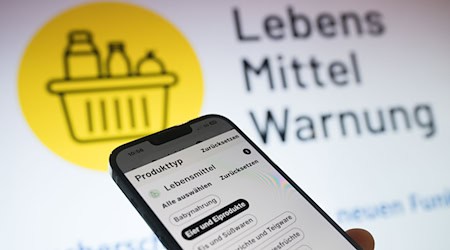
Anyone who has recently bought certain tuna from Lidl needs to be careful: There could be bacteria in a carpaccio. What customers should do.

More than 350 birds were tested for bird flu at Leipzig Zoo - with no further results. What happens now at the zoo.

Saxony's hospitals treated around 117,000 fewer patients in 2024 than before the coronavirus pandemic. Bed occupancy was also lower.

Shingles is an insidious disease and mainly affects older people. Although health insurance companies cover the cost of vaccination, most people are not adequately protected.

Flamingos, gorillas and the tropical hall remain off-limits: Leipzig Zoo is closing some of its facilities due to a case of bird flu. Visitors are nevertheless encouraged to visit.

Flamingos, gorillas and the tropical hall remain off-limits: Leipzig Zoo is closing popular facilities due to suspected bird flu. What does this mean for visitors?
For the left, the regulation is "only enough for the hollow tooth". Nevertheless, the creation of a quota for dentists in rural areas is generally welcomed.

In 2023, the statutory health insurance funds in Saxony spent more money. A particularly large amount of money is spent on medication - and the number of insured persons continues to grow.
Several thousand people in Saxony are infected with HIV. Why Social Minister Köpping demands respect in dealing with those affected.
Many algae products contain high amounts of iodine - but warnings and precise information are usually missing. What consumer advice centers are now demanding.

In Saxony, one school psychologist is responsible for 5,000 girls and boys - significantly more than recommended. The Greens are calling for more support and an immediate program.
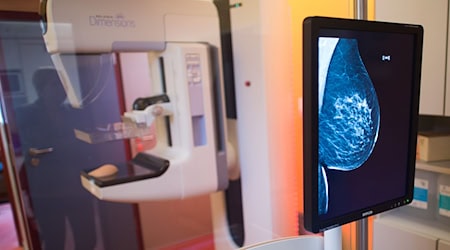
Breast cancer is the most common type of cancer in women. The aim of screening is to detect the first signs as early as possible. Not all women take up the offer.
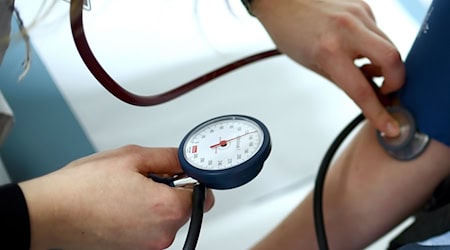
High blood pressure often goes unnoticed, but can damage the heart and kidneys. What the AOK Plus in Saxony and Thuringia advises.

What causes back pain in dogs or broken bones in laying hens? Researchers in Leipzig are looking for answers in a new movement laboratory.
The color purple is intended to draw attention to a particularly insidious form of cancer - pancreatic cancer. Every year, buildings in Germany are therefore illuminated in purple.
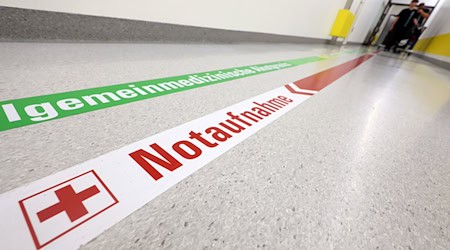
What if a large number of people need to be treated and medicines procured in an emergency? The CDU/CSU health politicians of the federal states want billions of euros from the federal government for more independence in the event of a crisis.
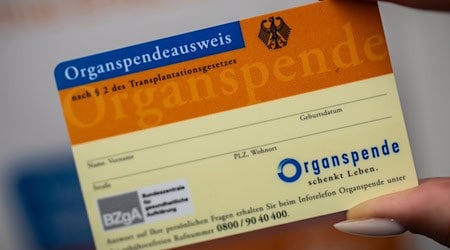
The number of organ donations is rising nationwide, but falling in Saxony. What is behind the reluctance of relatives and why written consent is so rare.
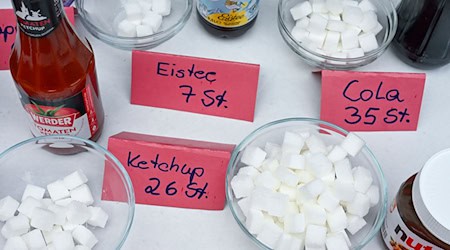
Eating and drinking a lot of sugar can not only make you fatter, it can also make you ill. The German Medical Association is now calling for political measures.

Cannabis clubs are relatively slow to get off the ground in Saxony. There are several reasons for this.
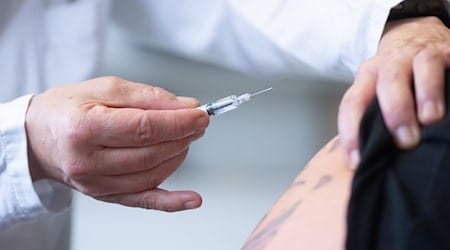
Only a small fraction of vaccination claims are recognized. Proving that there is a causal link between a vaccination and an impairment is complicated.
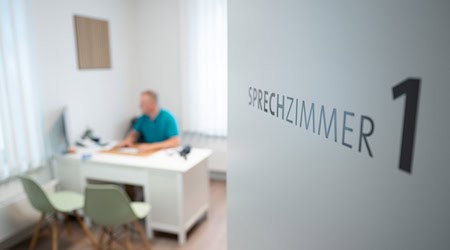
Bad diagnosis: According to estimates, around 40,000 people in Saxony have no or inadequate health insurance cover. For the Greens, the Free State has a duty.
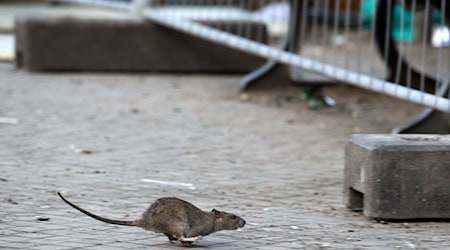
Rats are considered pests and disease vectors and find plenty of habitat in cities. However, the extent of the problem varies from city to city in Saxony.
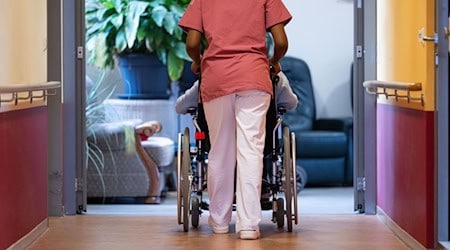
Nursing staff in Saxony are being paid more for their work. Their wages have recently risen more than the national average. Nevertheless, a number of federal states are paying more.
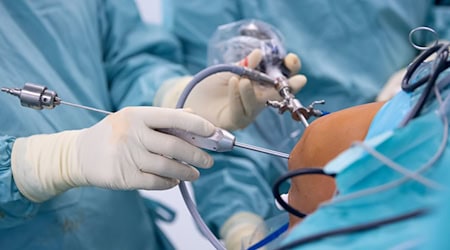
Patients can contact their health insurance provider if they suspect a medical error. In almost every third case examined in Saxony, the result was: Yes, something went wrong.

In Saxony, more and more people in need of care require state support. The cost of a place in a home is rising. What does this mean for those affected and their families?

The number of respiratory illnesses in Saxony is rising, but the flu epidemic has yet to hit. When is the best time to get vaccinated.
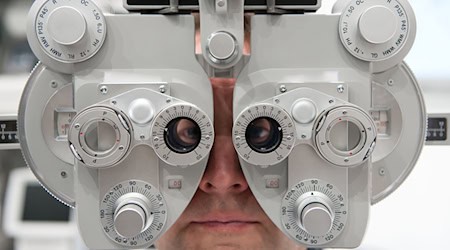
More and more opticians want to turn their backs on statutory health insurance. Why many companies no longer want to take on the expense and what they are demanding.
Lidl recalls butter wafers: metal parts may be present in certain batches in several federal states. What do consumers need to know?

In July, Sören Pellmann suffers a heart attack. Now he talks openly about it and calls for more honesty in dealing with stress and illness in politics.
Covid causes a cold, cough, but also headaches and aching limbs. These symptoms may sound familiar to some at the moment. The numbers are also rising in Bavaria.

At the start of the flu season, Saxony reports one death after coronavirus infection. The SARS-CoV-2 pathogen continues to dominate, but the number of cases is significantly lower than in the previous year.
Only a few pharmacies in Saxony are taking part in the "Long Night of Vaccination". Why the offer remains limited and the reasons given by the State Chamber of Pharmacists.
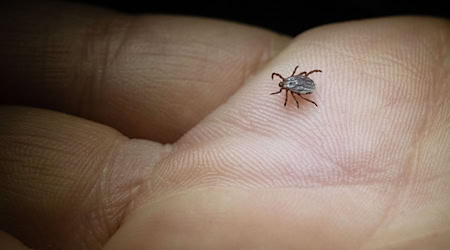
The tick season ends in October. Doctors have already registered more cases of Lyme disease than in the entire previous year.
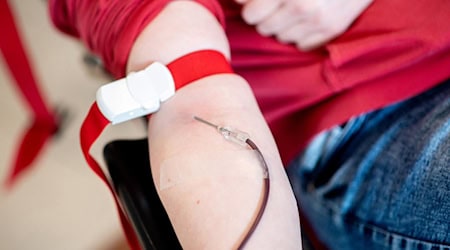
Baby boomers are retiring, there is a lack of new blood: why the DRK is particularly hoping for new donors during the vacations.
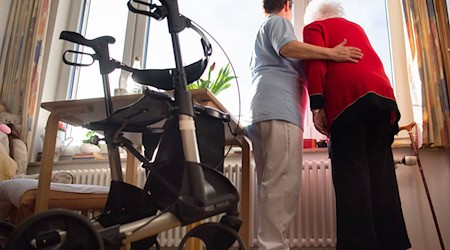
If care level 1 is abolished, more than 58,000 Saxons could have to do without important subsidies. What this means for independence in old age - and why the VdK is sounding the alarm.

More than 90 percent of practices in Saxony are technically prepared for the electronic patient file. How doctors and patients benefit from the ePA - and what hurdles still exist.

Only ten places, but real opportunities: Why it is particularly worthwhile for future rural doctors to start applying for the Saxon GP scholarship now.

Braille remains irreplaceable for blind people - even in the age of artificial intelligence. How digital technology complements braille and creates new possibilities.
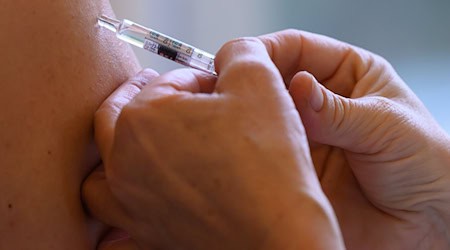
Despite more than 200 flu deaths last year, fewer and fewer people in Saxony have been vaccinated. Why many underestimate the risk and what the ministry now advises.
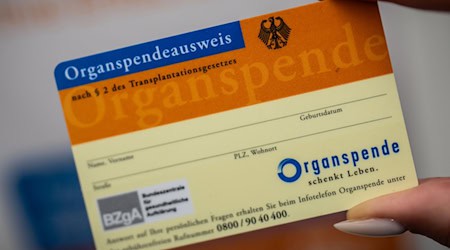
Organ donation remains a rare commodity: although the number of transplants has increased, the waiting list is still long.

Saxony still sees a need for coordination in the Bundesrat on the issue of mixed consumption at the wheel. What the state government says about the planned tightening of the rules.
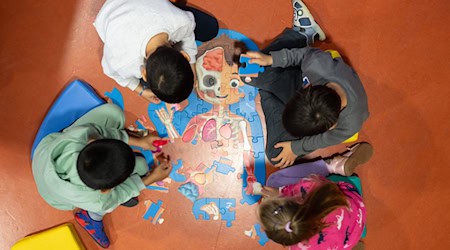
Learning to live healthily - with stories, puzzles and games: Dresden daycare centers get a special "treasure chest" for everyday life.
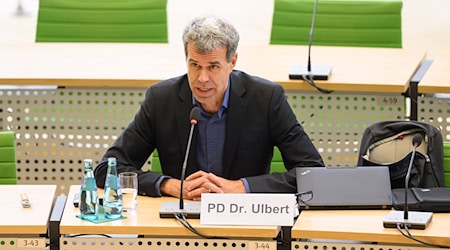
In the committee of inquiry, a Fraunhofer expert attests to the prudent actions of the Saxon government. However, he identified weaknesses in vaccination education not only in the Free State.
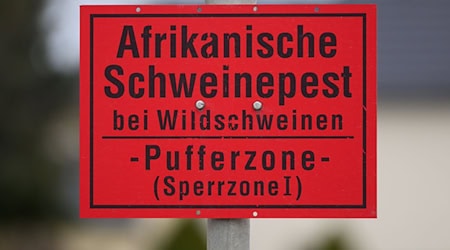
Fewer restrictions for farmers and hunters: After only one case of African swine fever last year, the restricted zones in Saxony are shrinking significantly.
In Saxony, the number of deaths from dementia has more than doubled since 2014. Women and the very elderly are particularly affected. The Left Party is calling for decisive action.
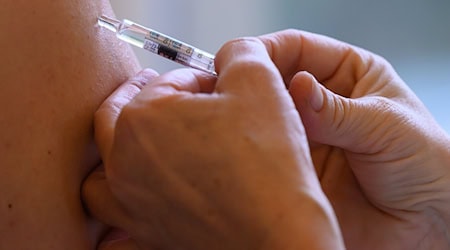
Saxony is equipped with sufficient flu vaccine for the cold season. Who is particularly recommended to be vaccinated and when is the best time to do so.
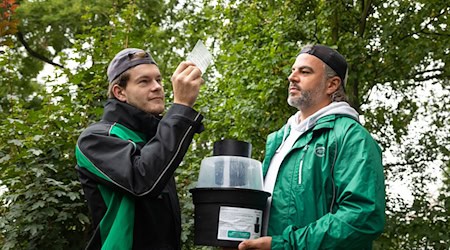
The occurrence of the black and white patterned insect remains localized for the time being. The public health department continues to ask the people of Dresden for help in the fight against the spread of the disease vector.

Anyone who is ill often needs medication from a pharmacy. However, the pharmacy network has been increasingly patchy for years. Even in recent months, there have been more closures than new openings.
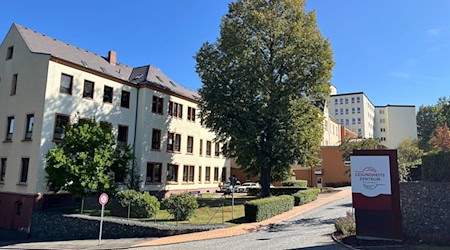
A bankrupt hospital in the Vogtland region has been transformed into a health center with many different services. A model for the future for other hospital locations?
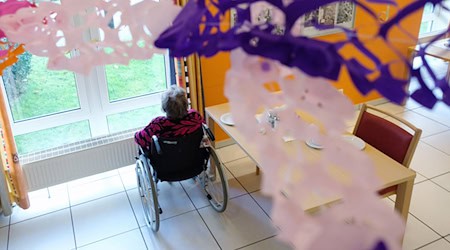
Can a small wooden figure with AI technology provide emotional support for senior citizens? A pilot project in Saxony is investigating this question.

After five years of splendor instead of a construction site: The Kurhaus in Thermalbad Wiesenbad welcomes guests again - with new comfort, barrier-free and renovated in line with the preservation order.
The insolvent care group Argentum also has several facilities in Saxony and Saxony-Anhalt. Despite an investor for parts of the care group, the future of several facilities remains open.
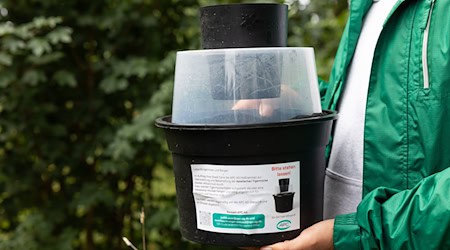
Dresden is hunting the "flying zebra": traps are to show where the dangerous Asian tiger mosquito is up to mischief. What is behind the campaign - and why is vigilance required?
In Torgau, a Great Dane bites two children in a restaurant and seriously injures them. A pediatric surgeon demands protective measures from owners and parents.
Waiting times of up to two years, desperate parents and a repair service that can barely keep up: why child psychiatry in Saxony is at its limit.

Going to the doctor without entering the practice - that was everyday life during the pandemic. After that, the number of video consultations initially declined. But how often is the service still used today?