Bird flu: Chemnitz Zoo has to kill numerous birds
After the discovery of dead chickens, Chemnitz Zoo had to take drastic measures. What happens now and when visitors will be allowed back in.

Los mensajes se cargan...
After the discovery of dead chickens, Chemnitz Zoo had to take drastic measures. What happens now and when visitors will be allowed back in.

Avian influenza has been detected at Chemnitz Zoo. All birds have been tested and the enclosures secured. What happens now at the zoo?

More than 3,000 names were suggested for the koala cub at Leipzig Zoo. Now it has been decided: the little female is called Inala - and according to the keepers, she is developing magnificently.
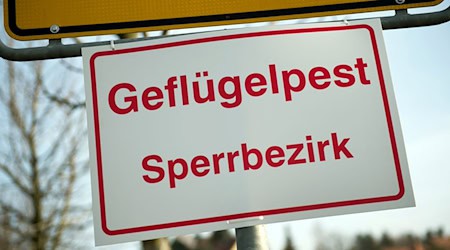
Following a confirmed case of bird flu, around 30,000 turkeys have to be killed in a facility near Geithain. What protective measures now apply in the district of Leipzig.

Chemnitz Zoo will remain closed on Thursday due to a suspected case of bird flu. Many questions are still unanswered.

Reptiles such as sand lizards and smooth snakes as well as rare butterfly species live in the so-called dry and warm sections of the Elbe Valley. These areas are now to be protected even better.

The Nature and Biodiversity Conservation Union reports a significant decline in sparrow species. This not only affects Saxony, but also reflects a nationwide trend.
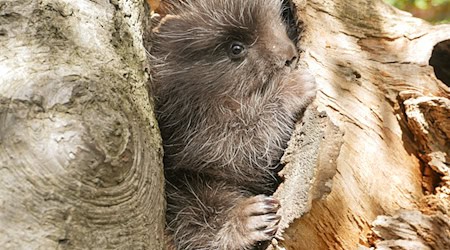
Hoyerswerda Zoo has counted its animals and has 2026 more species in its population. The zoo is particularly pleased to have several offspring.

Many people will remember the summer of 2025 as rather rainy. But over the year as a whole, it was too dry in Saxony. The Free State lacks the classic "country rain".
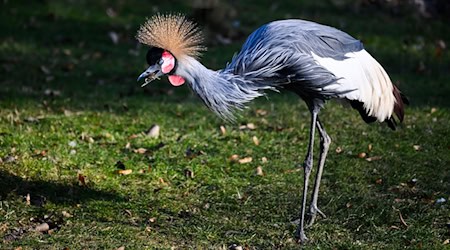
It hunts locusts, adorns Uganda's flag and is considered a lucky charm: the impressive bird is massively endangered in its habitats. Today, there are fewer than 100,000 of the animals left in Africa.
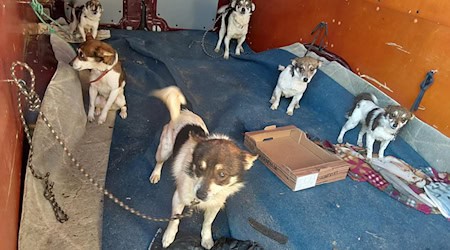
More barking than initially expected: During an inspection at the border with Poland, officials make a discovery that also alerts the veterinary office.
More than 500,000 animals have fallen victim to bird flu in Saxony alone. Why experts expect further outbreaks and why even nationwide vaccinations do not prevent the killing.
More than 500,000 animals have fallen victim to bird flu in Saxony alone. Why experts expect further outbreaks and why even nationwide vaccinations do not prevent the killing.
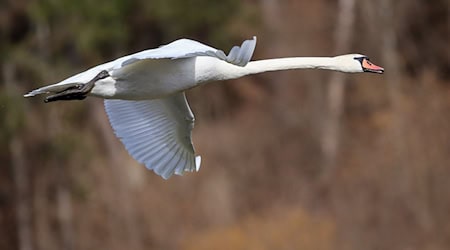
It appears again and again, stays put and simply cannot be chased away: A swan has caused a stir at a crossroads near Niesky - and kept the police busy for hours.
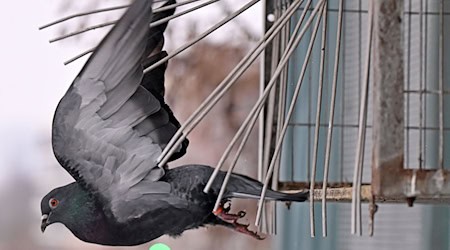
Pigeons are part of the cityscape in Saxony's major cities. However, instead of fixed concepts, the cities rely on feeding bans and the commitment of volunteers.
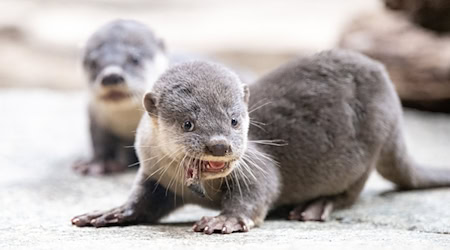
Welcome and farewell. Even in a zoo, zookeepers experience sadness and loss alongside many joyful moments. Nevertheless, 2025 will go down in the zoo's history as a good year.
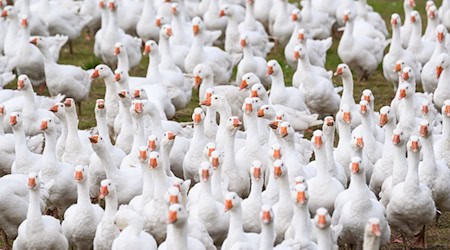
Saxony is struggling with animal diseases such as avian influenza and African swine fever. The responsible Minister Köpping believes that prevention and cooperation are the key to containment.
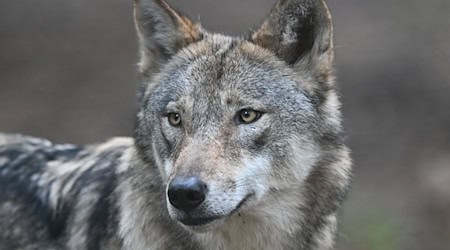
It had become entangled in a fence in northern Saxony. The young wolf has been roaming the Annaburger Heide ever since. After an incident, the authorities are keeping a close eye on it.
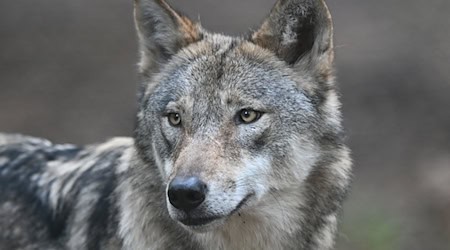
Four wolves roam Saxony's forests in the service of science. They are equipped with a transmitter and provide experts with important data for wolf monitoring.
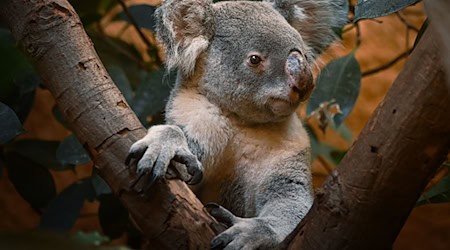
Mullaya was one of the first two koalas at Dresden Zoo. Recently, the koala dad weakened. And had to be put to sleep.

Avian influenza has been detected in the district of Central Saxony for the first time since 2021. What this means for owners now.
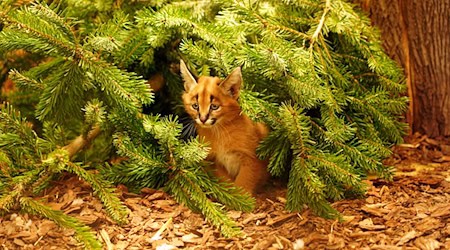
Dresden Zoo has been breeding caracals since 1937 - and now there are offspring again. This is how young Karlos coped with his first few weeks.
Last year, two million euros in funding was approved by the state of Saxony for animal welfare. However, the money was not available until the end of 2025.

A tropical light show and a name search for a koala cub at the beginning of the year, events for young and old throughout the year. Leipzig Zoo presents the program for 2026.
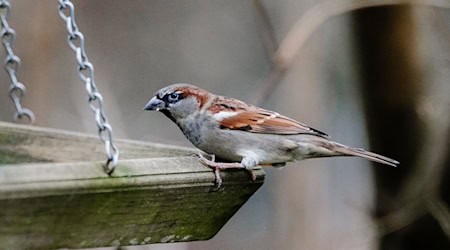
More than 150,000 birds were sighted in Saxony last year. This year there could be even more due to the winter temperatures.
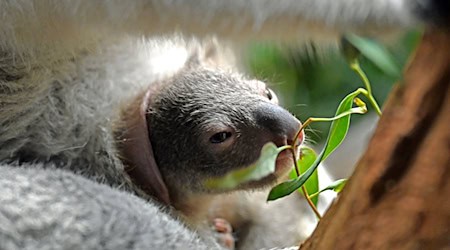
The cub is about six months old, but has not yet been given a name. That is about to change.

Avian flu is having an impact on the supply of eggs. Before Christmas, they were in short supply in some places in Saxony. Will there also be shortages in January?
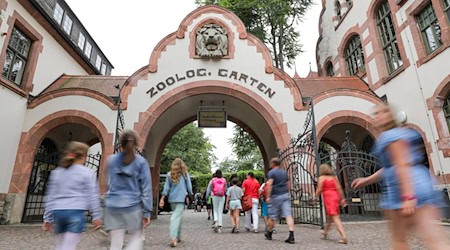
The zoos in Saxony want to create new habitats for their animals - but in most cases, admission prices remain stable. Only Leipzig is raising prices. What visitors can expect in 2026.
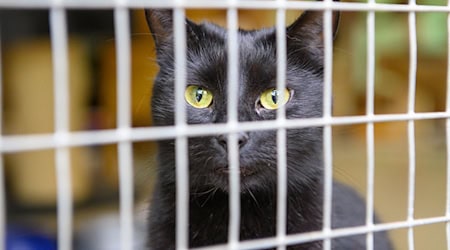
Associations warn against giving animals as presents at Christmas. Some animal shelters have a freeze on placements until January. However, anyone who wants to help the dogs or cats can do so.
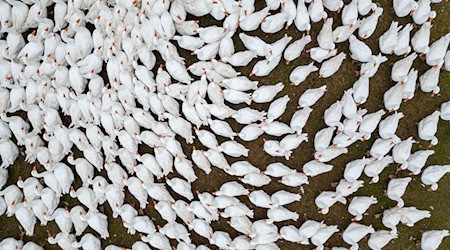
Comprehensive vaccinations against animal diseases are met with skepticism by East Germany's farmers' associations. Why the costs and benefits must be weighed up, especially for fattening animals.
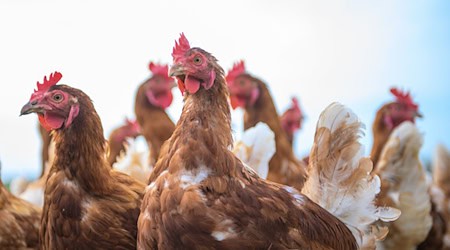
Due to another outbreak of avian influenza, around 310,000 animals have to be killed in Saxony's largest laying hen farm. For experts, there was no alternative.
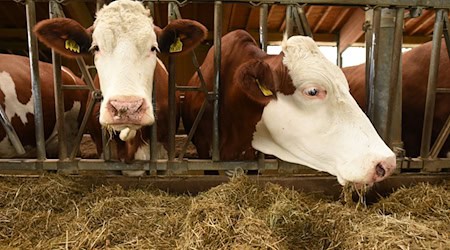
The BTV-8 type of bluetongue has been detected in Saxony for the first time since 2009. A restriction zone has been set up within a radius of 150 kilometers.
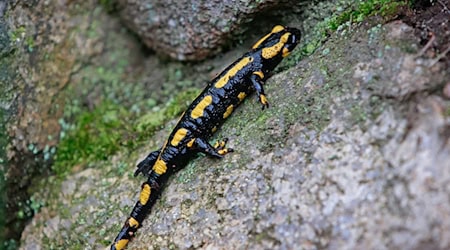
National park visitors help protect species: Why photos of fire salamanders are particularly important now and what is being done to combat a dangerous animal disease.
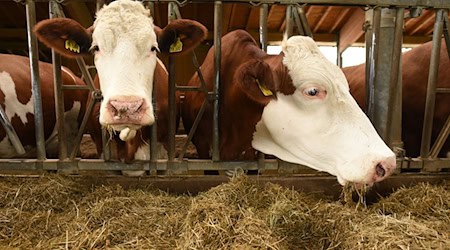
Bluetongue strikes Saxony again for the first time since 2009. What this means for farmers, animals and exports - and how large the new restriction zone is.

After a temporary all-clear, Leipzig Zoo continues to struggle with bird flu. Now the zoo is taking drastic measures.
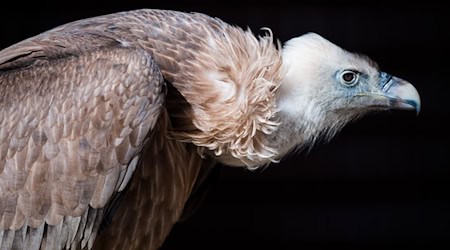
Two griffon vultures from Dresden swap the zoo for the wild. The animals are to strengthen the population in the Alps near the city of Udine.
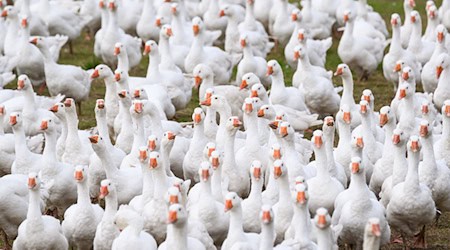
Suspicion of bird flu has been confirmed at a goose farm in the district of Leipzig. Around 6,500 animals will be killed. What does this mean for the sale of Christmas geese?
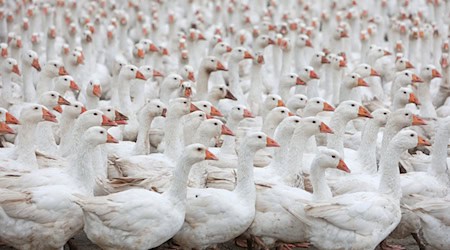
Geese are killed in Grimma due to suspected avian influenza - but the goose market remains open. The district office explains the reason.

The scarlet chafer has been found in the Saxon Switzerland National Park. What makes the find so special - and how to recognize the beetle.
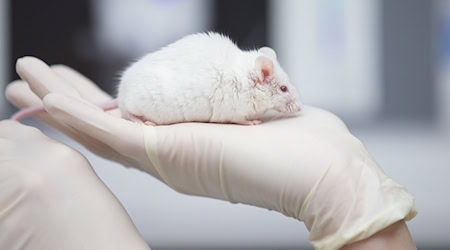
The number of laboratory animals is falling. The decline is particularly marked in mice, on which scientists still experiment most frequently.
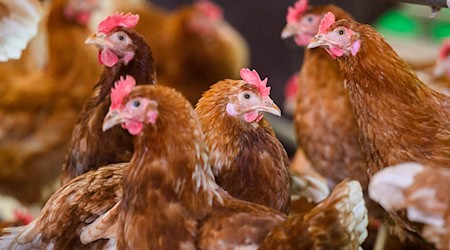
Following an outbreak of bird flu, around 80,000 laying hens have to be killed in Ebersbach. The Minister of Social Affairs calls on poultry farmers to exercise caution.

More than 350 birds were tested for bird flu at Leipzig Zoo - with no further results. What happens now at the zoo.
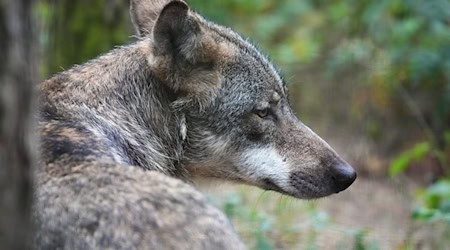
A woman reports a dead wolf to the police in the district of Bautzen. What is known about the find so far?
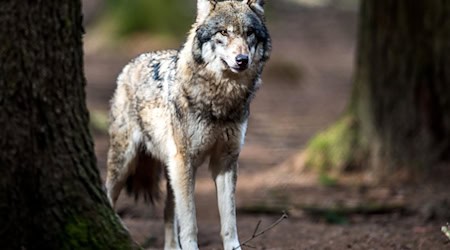
The photo traps provide the evidence: A pair of wolves have their territory in the Altenburger Land in the border region between Thuringia and Saxony.

Flamingos, gorillas and the tropical hall remain off-limits: Leipzig Zoo is closing some of its facilities due to a case of bird flu. Visitors are nevertheless encouraged to visit.

Flamingos, gorillas and the tropical hall remain off-limits: Leipzig Zoo is closing popular facilities due to suspected bird flu. What does this mean for visitors?
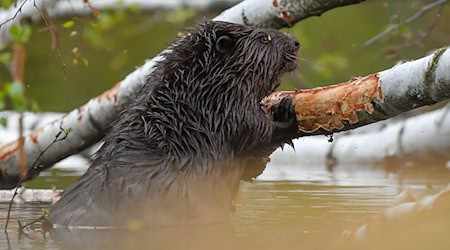
A pond owner was annoyed by the damage and wanted to get rid of the animals. Permission to relocate the animals had been granted. However, the administrative court found that the requirements for this had not been met.

The scene is reminiscent of some western movies: Several patrol cars are chasing two horses that have escaped from a paddock along roads in eastern Thuringia.
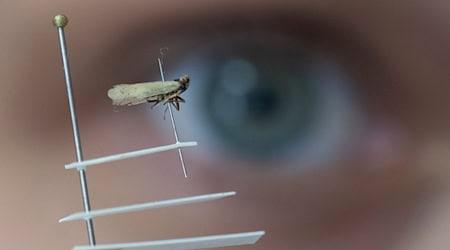
It is tiny and can cause great damage. The reed glasswing cicada is spreading in Germany and is becoming a problem for agriculture.
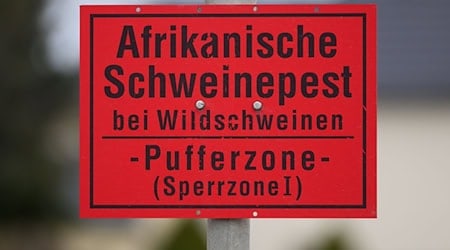
In recent years, Saxony has had to combat two epidemics at the same time - African swine fever in addition to the coronavirus pandemic. An end to the measures for the animal epidemic is now in sight.
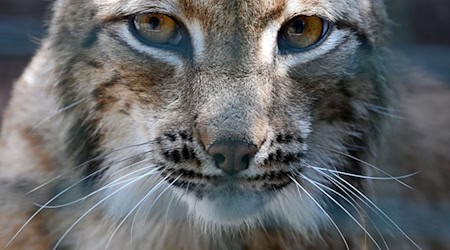
The Thuringian lynx program has had a pregnant success. For the second time this year, offspring have been detected among the big cats. There has also been an increase in Saxony.
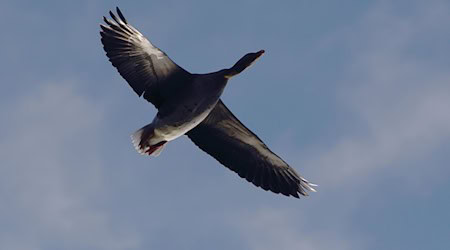
Following the discovery of infected swans and a wild goose, there is growing concern about avian influenza in Bautzen. Why the veterinary office is now recommending special protective measures to keepers.
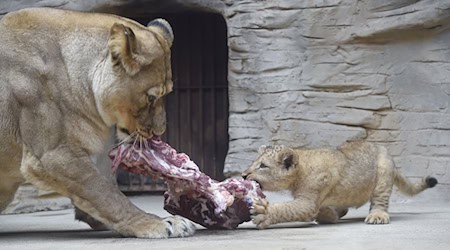
Many zoo visitors are shocked when animals are given clearly recognizable dead animals to eat. Sometimes they come from the zoo's own breeding program. How zoos explain this controversial feeding practice.
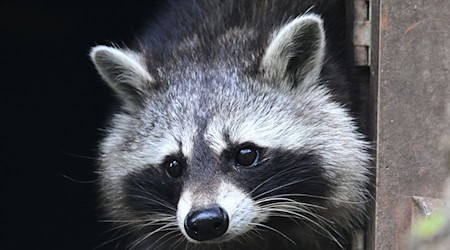
Almost 27,000 raccoons were shot in Saxony in the current hunting year. The animals are spreading rapidly - with consequences for the local wildlife.
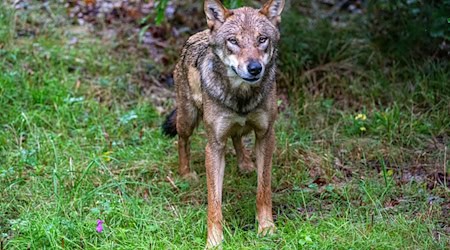
Play instinct instead of flight: a young wolf in eastern Saxony is behaving conspicuously. Now it is to be retrained to respect humans.
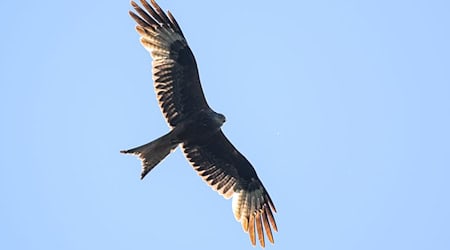
New evidence of avian influenza in wild birds in the Leipzig district: The veterinary office urges increased caution and provides specific advice for owners.

What causes back pain in dogs or broken bones in laying hens? Researchers in Leipzig are looking for answers in a new movement laboratory.
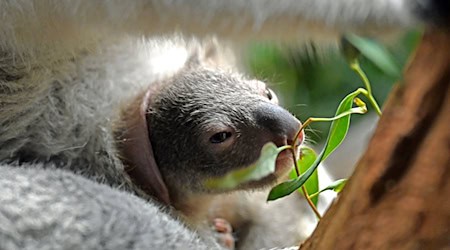
Still nameless, but already courageous: the koala offspring at Leipzig Zoo is cautiously discovering its surroundings. The little one delights the zookeepers with its development.
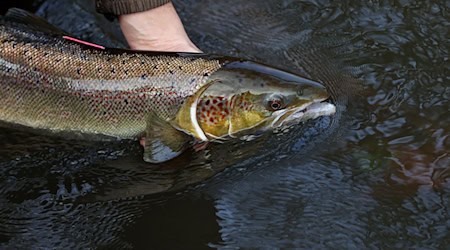
After decades, more salmon are returning to Saxony. But the return remains fragile: construction work, heat and low water levels are making life difficult for the fish.
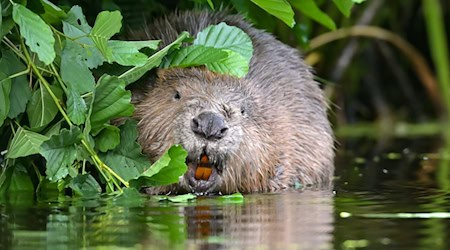
Saxony wants to "deport" unwelcome beavers to France. However, the planned relocation of the rodents is now a case for the Dresden Administrative Court.
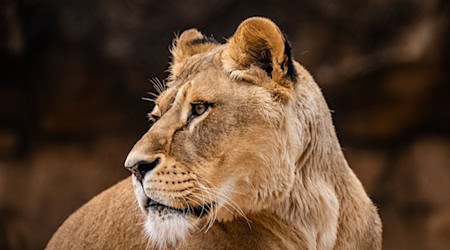
More than ten years ago, the zoo in Dresden unexpectedly had two cubs. Now one of the animals is euthanized at the age of 13; according to the zoo, the lioness was seriously ill.
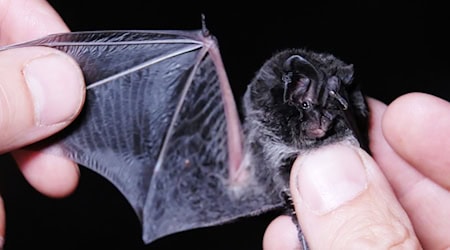
Germany is home to 25 species of bat, the smallest of which fit into a matchbox. The Saxon Bat Conference in Freiberg will discuss protection concepts.
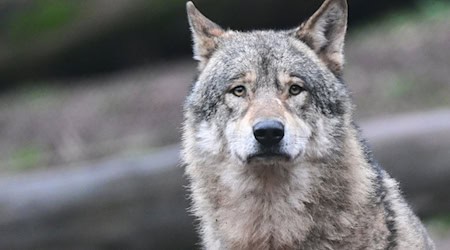
Saxony is one of the federal states with the highest number of wolves. The wolves are "counted" during monitoring. Now there are new figures.
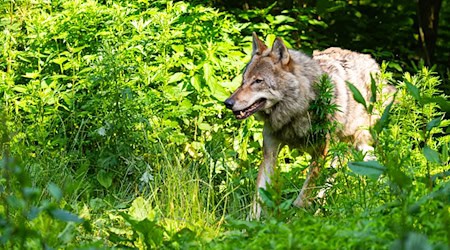
The wolf population in Germany is stagnating at a fairly high level. Most of the animals live in Lower Saxony and Brandenburg.
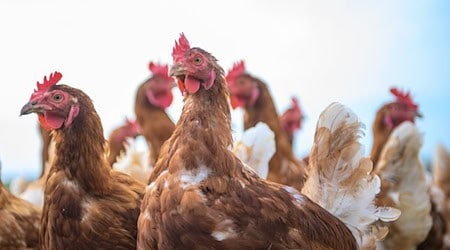
Dead wild birds, dead farm animals - avian influenza is also spreading in Saxony. Why bird markets are no longer allowed to take place in the district of Leipzig.
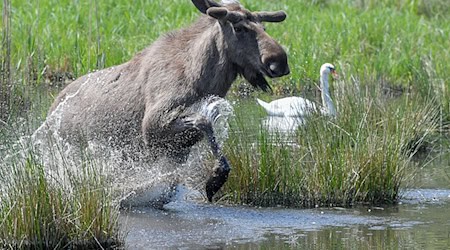
Moose are repeatedly spotted in eastern Germany. But are they here to stay? What experts say about the return and habitat of the animals that once lived all over Germany.
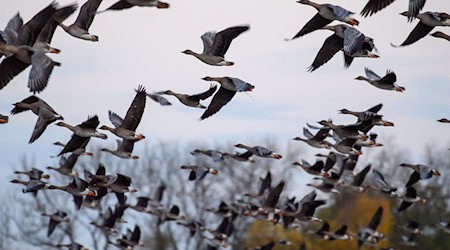
After several dead wild birds in Leipzig, a farm has now been hit: the district of Meißen has taken drastic measures due to suspected avian influenza. What owners must now bear in mind.
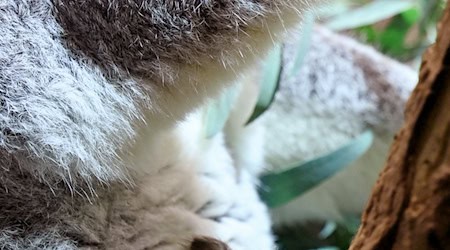
At first it was just a little snout, but now a koala cub at Leipzig Zoo is already sticking its head out of its mother's pouch. But there is one thing it has not yet revealed.
Saxony's animal shelters will receive significantly more financial support in future. Funding will increase to two million euros per year.
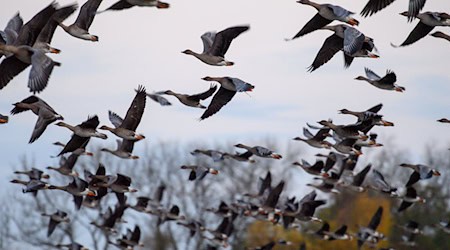
Bird flu has been detected for the first time in the district of Leipzig. What poultry farmers should now bear in mind and how the veterinary office is reacting.
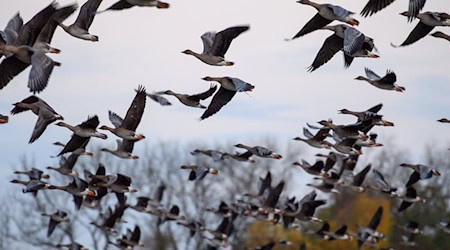
Bird flu has been detected for the first time in the district of Leipzig. What poultry farmers should now bear in mind and how the veterinary office is reacting.
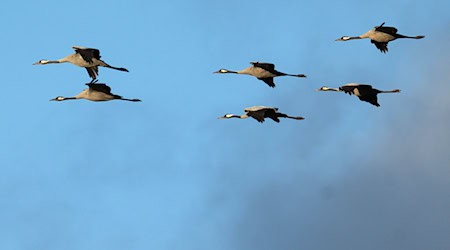
The first suspected cases of bird flu have been reported in Saxony for just under a week. However, there is still no certainty.
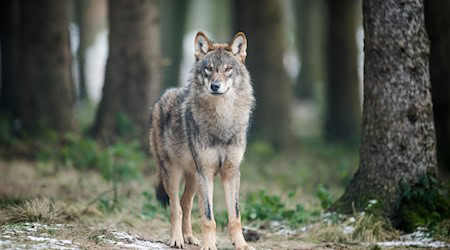
The wolf hotline in Saxony will only be available to a limited extent at night in future. However, direct contact will still be possible in urgent cases.
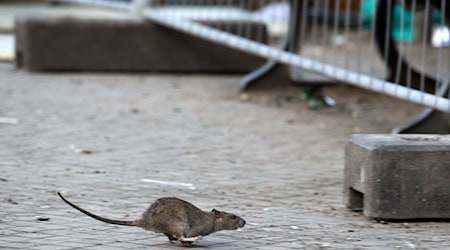
Rats are considered pests and disease vectors and find plenty of habitat in cities. However, the extent of the problem varies from city to city in Saxony.
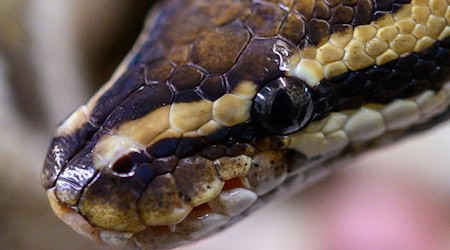
Creepy discovery in a wooded area. Walkers find a snake - it could be a king python.
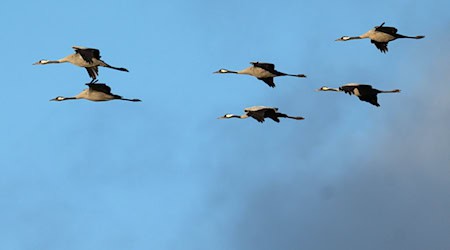
The first suspected cases of bird flu have also been reported in Saxony since the middle of the week. However, there is still no certainty.
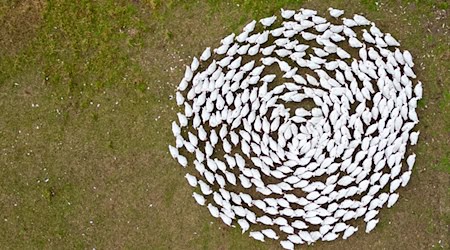
More than 500,000 animals have already been killed this year to contain bird flu. The Saxon goose farmer Eskildsen sees only one long-term solution.
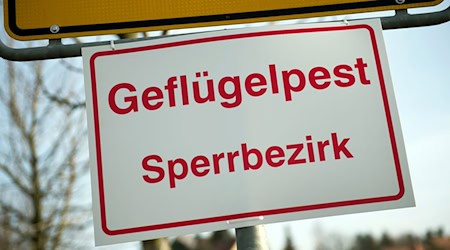
Even though no farm animals in the state have been affected by avian influenza to date, the ministry urgently recommends compulsory stabling - because the risk is increasing.
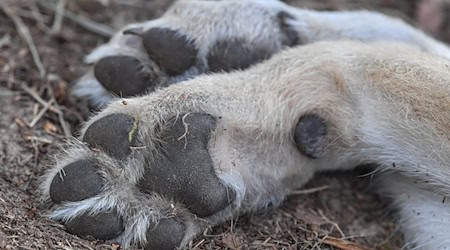
Traffic, poaching, territorial warfare: 240 dead wolves have been found in Saxony in 25 years. Most of them died in road traffic.
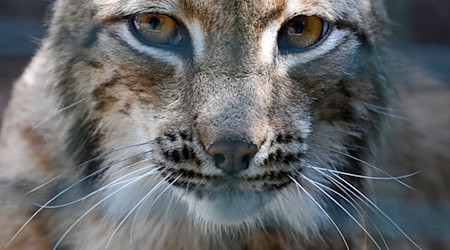
For the first time in almost 300 years, there are lynx cubs in the Ore Mountains. Alva and her two cubs fall into a photo trap in the Eibenstock Forest.
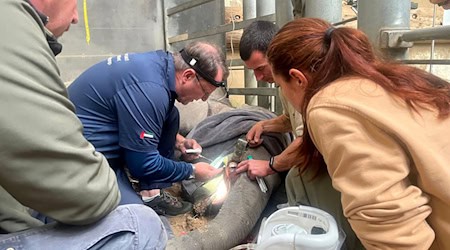
A young bull elephant Akito's tusk breaks off. International specialists arrive to carry out the complicated operation. With success?
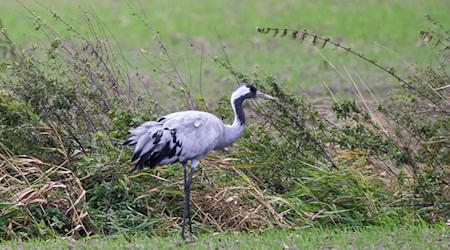
So far, Saxony has been spared bird flu. To prevent outbreaks, the Minister of Health is asking poultry farmers and the public for help.

Taxes for four-legged friends are rising in several cities in Saxony. Where dog owners will have to dig deeper into their pockets in future.
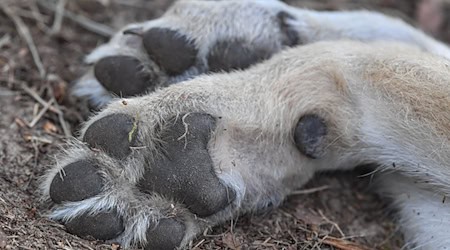
Two dead wolves were recently found in eastern Saxony. The suspicion that they had been shot has not been confirmed. But how did the animals die?
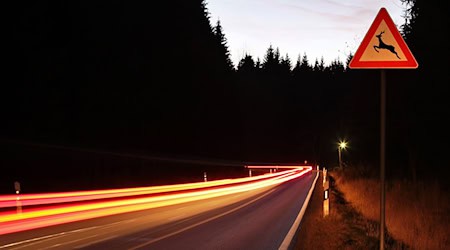
There are numerous wildlife accidents in Saxony every year. How the time change increases the risk for drivers and what experts now advise.
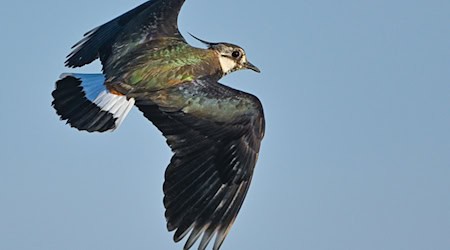
Is there still enough habitat for animals like the lapwing or the partridge in Saxony? Species extinction is also taking place in this country. That's why expertise is needed.
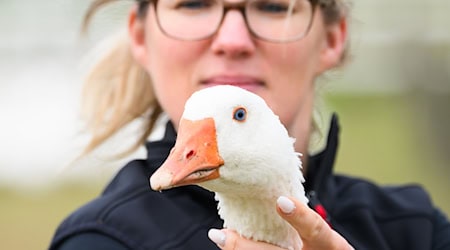
Prices for domestic geese remain stable ahead of the upcoming season in Saxony. However, regional products are still rare.
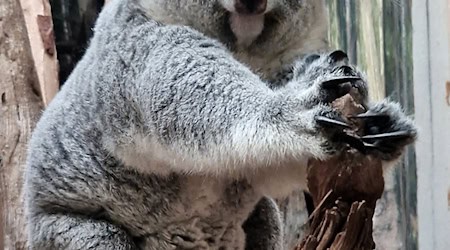
The keepers at Leipzig Zoo have been observing the growing pouch of a female koala for weeks. Now there is certainty about the offspring.

1,200 people in Saxony are involved in nature conservation on a voluntary basis. Without them, many projects would not be possible, emphasizes the Environment Minister.
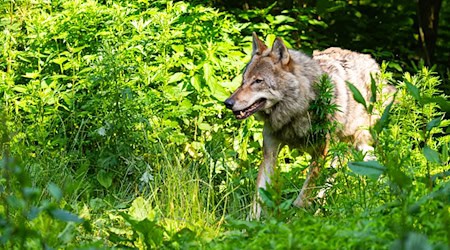
In the district of Bautzen, a wolf repeatedly approached houses and gardens. The carcass of the animal has now been found. The 13-year-old female probably died of old age.
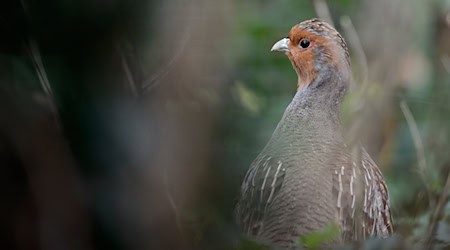
The partridge is the bird of the year 2026, but in Saxony it is difficult to find the animals outdoors. This is because they only live here in isolated numbers.
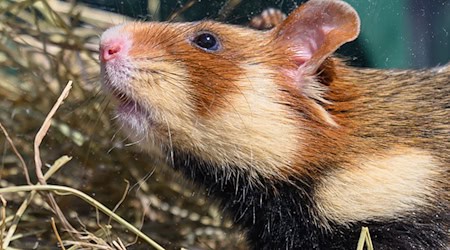
Without volunteers, not much would happen in nature conservation in Saxony. At their annual meeting this weekend, the focus will be on an animal species that is currently being successfully reintroduced in Saxony.
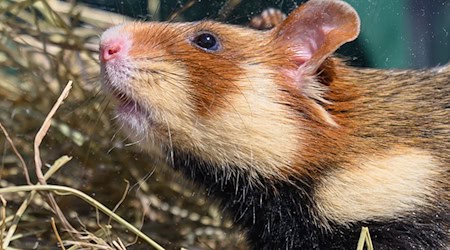
Without volunteers, not much would happen in nature conservation in Saxony. At their annual meeting this weekend, the focus will be on an animal species that is currently being successfully reintroduced in Saxony.

A cat slips into a narrow crevice in Dresden and can no longer free itself. But rescue is near.
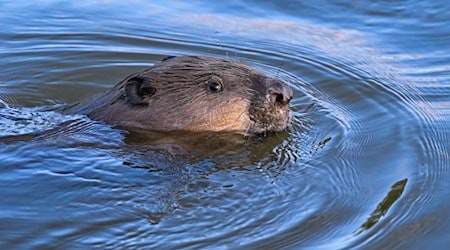
The beaver has long been a source of annoyance for pond owners in Upper Lusatia. Now the regional authorities have approved a drastic measure.
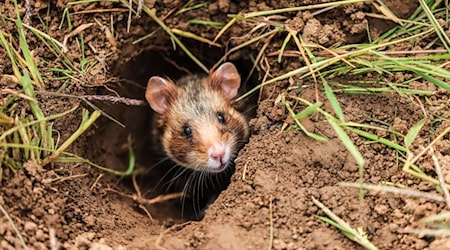
More hamsters on arable land in Saxony: That is the aim of a new EU-funded project. This is how to get the rodent offspring to thrive.

From young Komodo dragons to rare iguanas: what visitors can discover in the newly renovated terrarium at Leipzig Zoo.
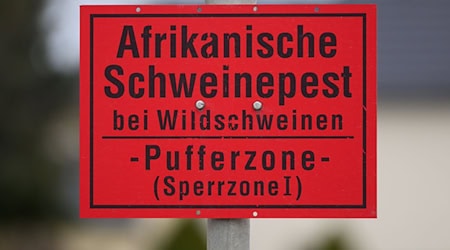
Fewer restrictions for farmers and hunters: After only one case of African swine fever last year, the restricted zones in Saxony are shrinking significantly.
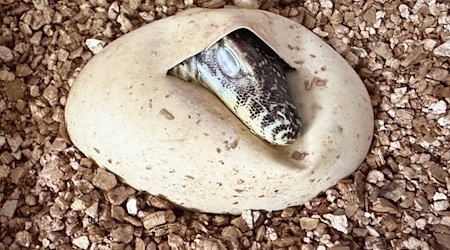
The terrarium at Leipzig Zoo opens after refurbishment. In addition to snakes and alligators, seven newly hatched specimens of an endangered species will also be on display.

After millions have been invested, a new adventure museum on river pearl mussels and mother-of-pearl opens its doors in Vogtland. Saxony's Culture Minister Klepsch speaks of a "tourist lighthouse".