
Ifo: East German economy off to a slow start to the year
Industry more optimistic, service providers and retail more skeptical: The Ifo Index shows a mixed picture for the East German economy in January.

Nachrichten werden geladen...
Industry more optimistic, service providers and retail more skeptical: The Ifo Index shows a mixed picture for the East German economy in January.
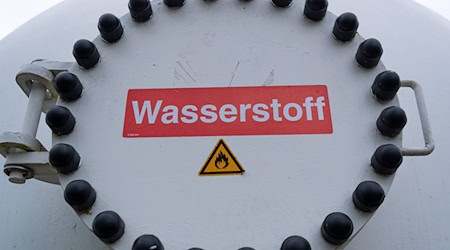
A new electrolyzer is to produce green hydrogen from renewable energies in future. The project is a further step in the establishment of one of four German hydrogen centers in Chemnitz.
With an extended production hall, Alstom is focusing on modern production in Bautzen. The plant builds streetcars for Berlin, Magdeburg and Dresden, among others.
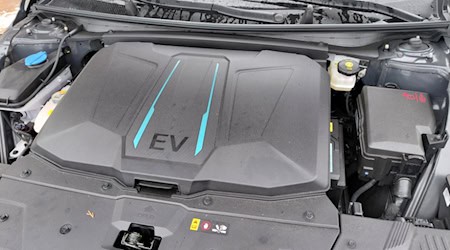
What happens to disused electric motors from electric cars? A new large-scale project aims to automatically recover valuable raw materials such as rare earths. TU Bergakademie Freiberg is developing new recycling processes for magnets. Robots are learning to dismantle drives. 25 partners are working on the circular economy for electromobility.
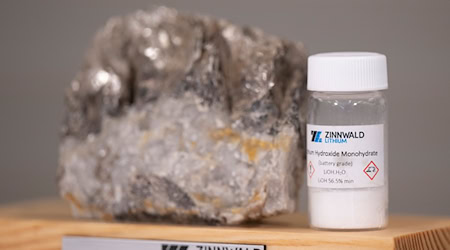
The Czech Republic relies on state subsidies for lithium mining, while Saxony is still waiting for a clear signal from Brussels. What obstacles and opportunities are there for projects in the region?
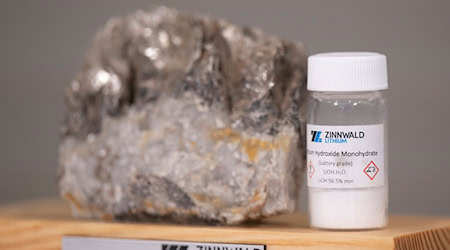
The Czech Republic relies on state subsidies for lithium mining, while Saxony is still waiting for a clear signal from Brussels. What obstacles and opportunities are there for projects in the region?
Bürgschaftsbank Sachsen facilitated more loans for companies in 2025 - there was also significant growth in successions and business start-ups.
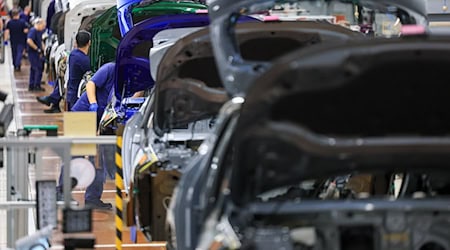
The economy in Saxony remains weak. Industry, exports and the hospitality industry are reporting declines - only a few sectors are able to escape the downward trend.
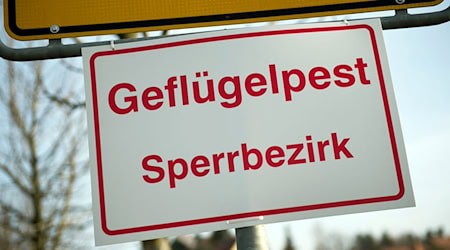
More than 500,000 animals have fallen victim to bird flu in Saxony alone. Why experts expect further outbreaks and why even nationwide vaccinations do not prevent the killing.
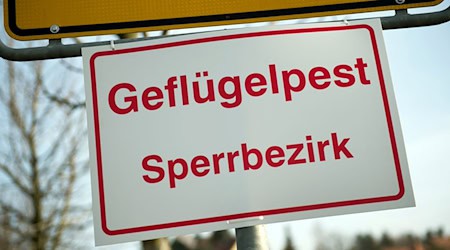
More than 500,000 animals have fallen victim to bird flu in Saxony alone. Why experts expect further outbreaks and why even nationwide vaccinations do not prevent the killing.

In Saxony's forests, pine needles normally end up unused on the ground and rot. Researchers at WHZ Zwickau are now turning them into sustainable textiles. The "ConFiTex" project is creating completely compostable yarn from local conifer needles - an innovative contribution to the circular economy that shows how forest waste can be turned into fashion.
While the business climate in the East remains stable overall, there are clear differences between industry, service providers, trade and the construction industry.
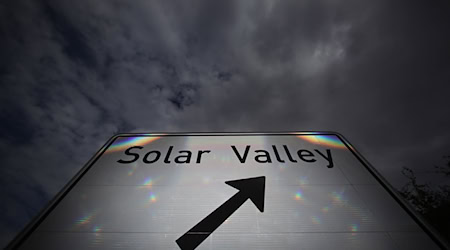
Solar expansion is booming, domestic production is dying: Following the closure of the last major solar producer, Germany is faced with the question of where the German solar industry is heading.

Comprehensive vaccinations against animal diseases are met with skepticism by East Germany's farmers' associations. Why the costs and benefits must be weighed up, especially for fattening animals.
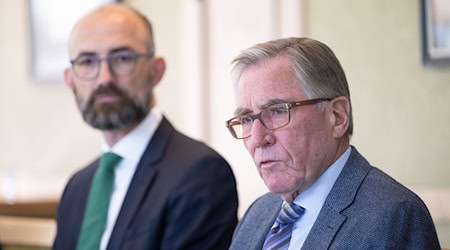
"A nice Christmas story sounds different," says Dresden Chamber of Industry and Commerce President Andreas Sperl. We are in a permanent slump. Entrepreneurs are particularly disappointed with the federal government.

The good news: economic output in eastern Germany is growing. The bad news: Probably slower than assumed in the summer.
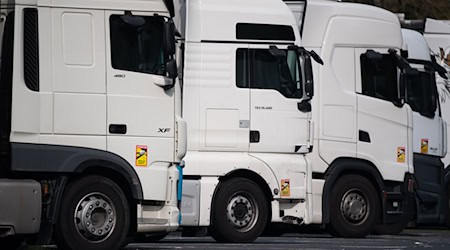
A 50,600 square meter logistics center is being built in Kabelsketal. Modern technology and a sustainable energy supply are planned.

Despite falling insolvency figures in November, the level remains high. Many are particularly affected in the south and east - and more jobs are at stake than before the coronavirus pandemic.
The number of corporate insolvencies continues to rise in Saxony - but remains below the national average. What is behind this development and which sectors are affected.
Sometimes the sky brightens, sometimes it darkens over eastern Germany's economy. The business climate index of the Ifo Institute in Dresden provides information on this. The mood improved in November.
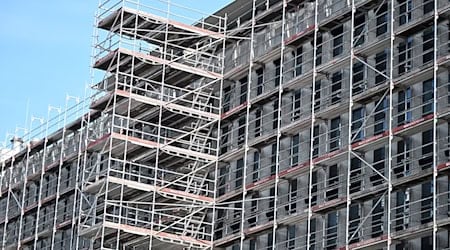
The East German construction industry is reporting more orders - mainly thanks to individual large-scale projects. How this is affecting commercial construction, residential construction and public construction.
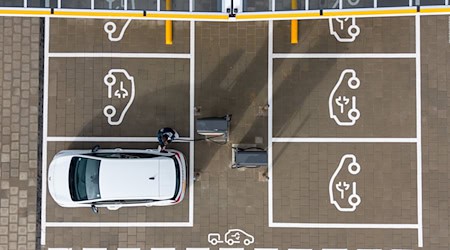
How can structural change succeed in Saxony's industry? Experts discuss e-mobility, infrastructure and new value creation at the Industry Dialogue in Chemnitz.
Rising energy prices, lack of impetus and weak demand: Why Lusatian companies are still treading water despite hope.
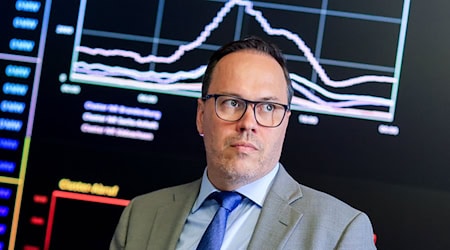
Economics Minister Dirk Panter is traveling to India with a delegation. What Saxony's economy expects from it.
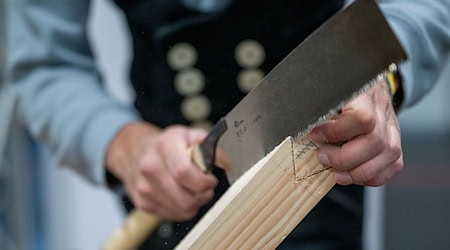
Gaps in order books, uncertainty among consumers: The Saxon Crafts Association is sounding the alarm. Why many companies are pessimistic about the future and what could help now.
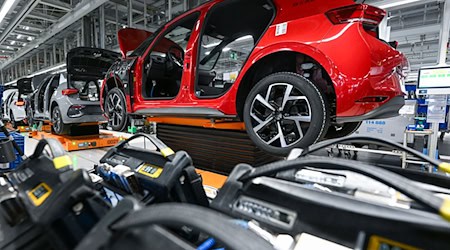
Saxony's exports to the USA are increasing despite difficult conditions. However, the export curve has recently been pointing downwards.

How is the mood in the East German economy developing? New figures on the business climate index provide insights.
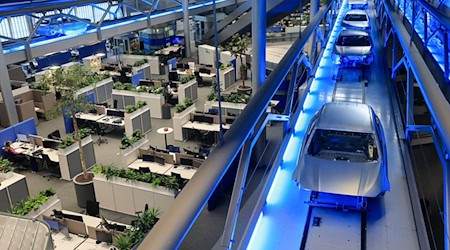
Many companies in the Leipzig region are investing less and not filling vacancies. What is needed to reverse the trend?
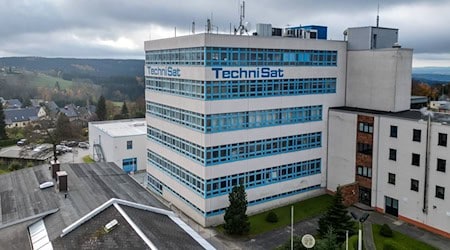
The TechniSat plant in Schöneck, Vogtland, which was threatened with closure, has been saved. The investor company manufactures satellite systems, among other things.
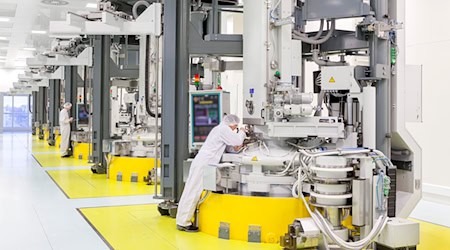
Siltronic reports a decline in sales for the first nine months and slips into the red with a loss of almost 44 million euros. The company employs 1,000 people in Freiberg.
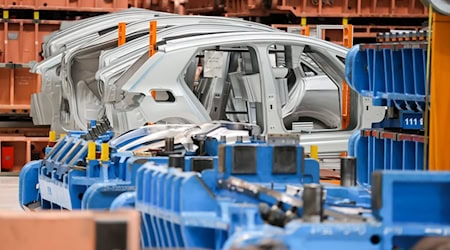
In south-west Saxony, jobs are being lost and investments are failing to materialize. Why the Chamber of Industry and Commerce and the skilled trades are sounding the alarm and what is weighing on companies the most.
No upturn in sight: Saxon companies are rather pessimistic about the coming months.
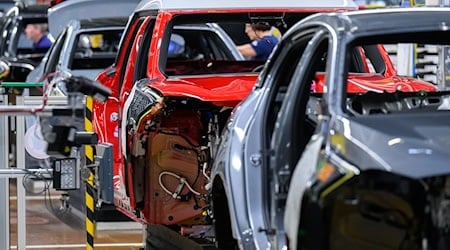
How are cities such as Stuttgart, Wolfsburg and Ingolstadt reacting to falling income from the car industry? An overview of the consequences for budgets.

The Swiss stock exchange is ending trading in Meyer Burger shares. The last trading day for the securities of the insolvent solar manufacturer has been set.
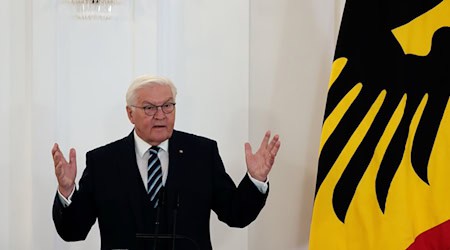
Shortly before the Day of German Unity on October 3, the mood is anything but exuberant. The Federal President knows this too. And asks the citizens to pause for a moment.
Shortly before October 3, Elisabeth Kaiser presents her annual report. She is also concerned about some trends between East and West Germany.
The two German states united 35 years ago. How far have they grown together?
IG Metall is calling for more support for the industry ahead of the meeting of Eastern German Minister Presidents. What measures the union is proposing to preserve jobs.
Despite a slump in construction, Saxony's economic output is picking up slightly: Education and healthcare in particular ensure a small increase in gross domestic product.
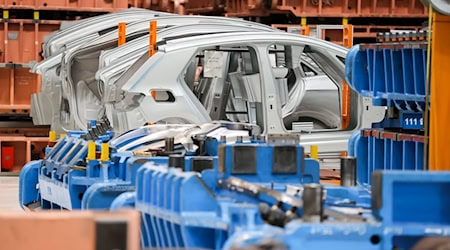
Little hope for improvement: production capacities in Saxony's metal and electrical industry remain well below normal levels. What the employers' association has to say.
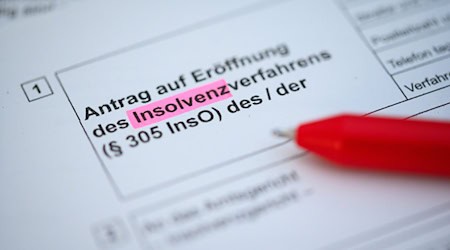
Insolvencies lead to the loss of many jobs in Saxony. BSW boss Wagenknecht believes the federal government is responsible.
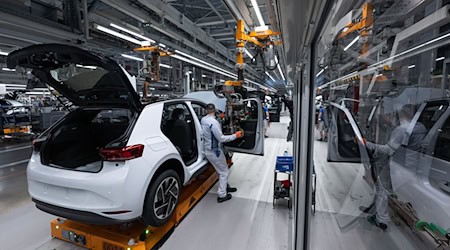
According to media reports, VW is initially sticking with the Zwickau site for the production of the ID.3. This is due to unanswered questions regarding the production of new electric models within the Group.
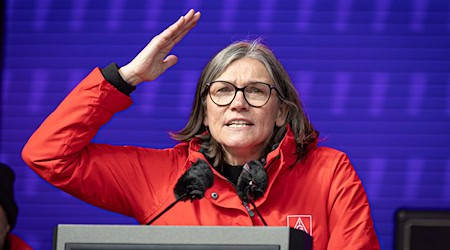
How at risk are jobs in eastern Germany due to the slow expansion of electromobility? Trade union and experts call for investment and clear commitments for locations.

It's almost routine: Saxony has once again been declared the winner in education this year in a study by the German Economic Institute. Why?
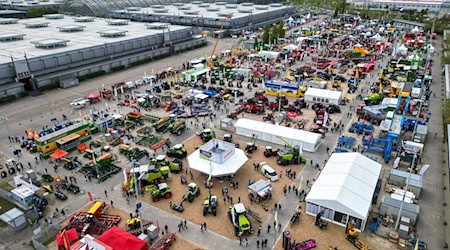
In 2026, Saxony will continue to focus on its international presence: the state plans to open up new markets and showcase innovations from various sectors at 18 trade fairs.
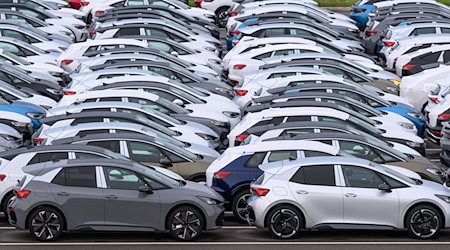
Change has long been a reality - and demands new answers: the annual congress in Leipzig focused on how eastern Germany's automotive industry is mastering the balancing act between crisis and innovation.
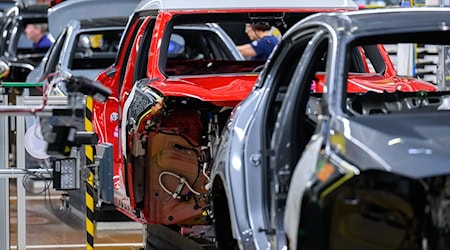
Artificial intelligence, chip shortages and global competition: why the East German automotive industry is now relying on teamwork to avoid being left behind by change.

From Gala to Breaburn: Why Saxony's apple growers are worried about the future despite record harvests and full fruit crates.
Every month, the Dresden-based Ifo Institute surveys around 1,700 companies from various sectors about their situation and expectations. The mood improves in August.
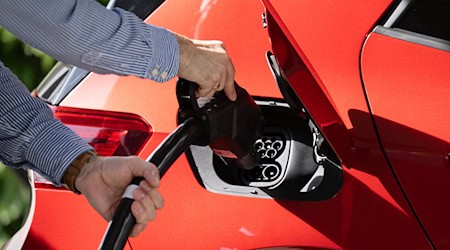
After a decline in the previous year, the number of new e-cars in Saxony is rising again significantly. What manufacturers and experts have to say about the change.
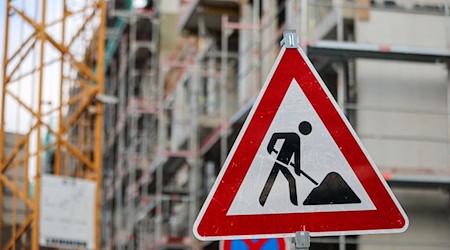
From construction boom to stagnation: the construction industry in the east will present a mixed picture in 2025 - with clear differences between the federal states.
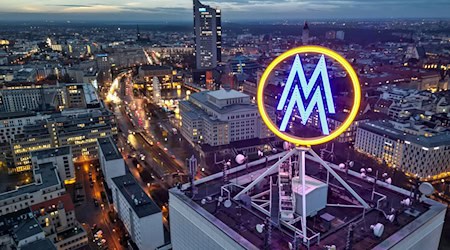
Leipzig has long been considered a top business location - but according to a new analysis, its attractiveness is crumbling: high costs, bureaucracy and traffic problems are increasingly dampening the mood.

The cultural and creative industries are important employers in Saxony. Corona was a low point. How has the industry developed after the pandemic?
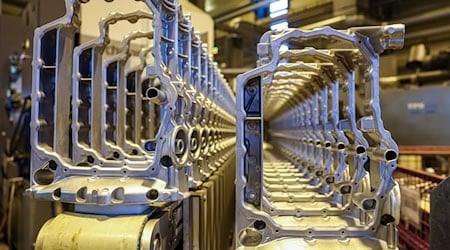
The mood in the East German economy is improving, with industry and construction in particular looking to the future with confidence. However, not all sectors share this optimism.

The minimum wage increases on January 1. Around 359,000 employees in Saxony will benefit from this, many of them in the hospitality industry. The industry criticizes the excessive economic burden.
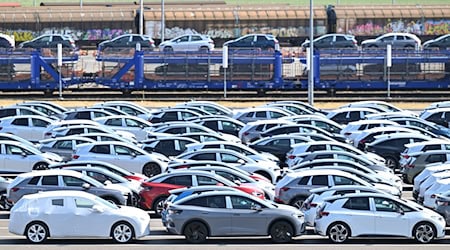
Southwest Saxony is economically dependent on the automotive industry. But this is weakening and unemployment is rising. Economic and political players see the region at a turning point.
Saxony's companies increased their innovation expenditure again in 2023. Small companies in particular are driving development - and lifting the state above the national average.
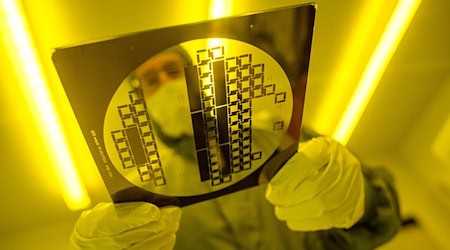
A year ago, the US chip manufacturer Intel put its plans for several chip factories in Germany on hold. Now other companies are interested in locating here.
Saxony and Thuringia want to double the number of high-tech start-ups with a new initiative. From October, several million euros will flow into a network designed to position the East internationally.
Saxony's Economics Minister considers Poland's planned border controls to be a burden - for companies and commuters alike. Around 13,000 Poles come to work in the Free State every day.
Every month, the Ifo Institute in Dresden surveys around 1,700 eastern German companies about their business situation and expectations for the coming months. The sentiment barometer fell slightly in June.
The valley of tears has been passed. Researchers at the Ifo Institute in Dresden are cautiously optimistic about economic development in the East.
Economic sentiment has been stagnating for some time. This is leading to lower investment and a decline in turnover. The chambers of commerce are therefore formulating demands on politicians.
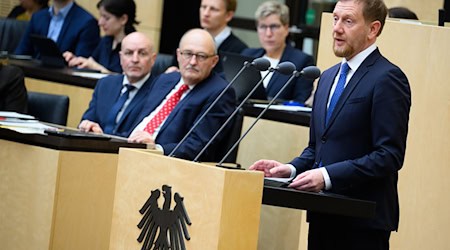
Saxony's Minister President makes it clear: there will only be a majority if the federal government pays for the tax shortfalls at state and local level.

What happens when the managing director of a company is about to retire? Thousands of SMEs in Saxony will be faced with this question over the next few years.
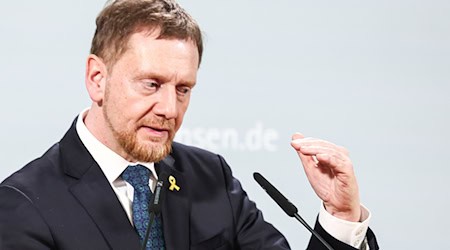
If it were up to the federal states, the new date with Federal Chancellor Friedrich Merz would have been June 18. Contrary to what was announced, this will not happen.
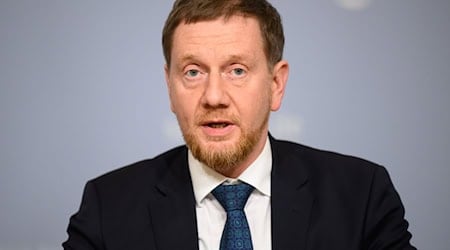
The federal states support the federal government's planned economic stimulus program, but complain that the costs will primarily be borne by them. Their current spokesperson says what they are demanding.
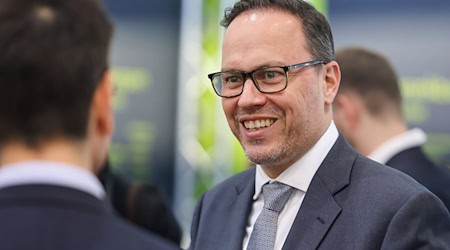
The German government wants to give the economy a boost with tax relief for companies. Further measures are needed for smaller companies, warns Economics Minister Panter.
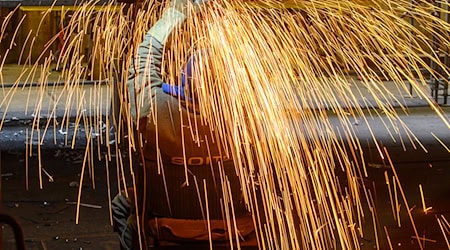
East German companies are more optimistic again. The Ifo Institute has recorded a surprisingly strong increase in the business climate - and blames a key factor for this.
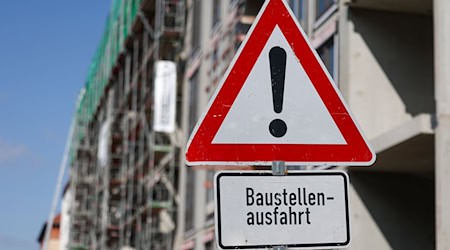
After a long period of gloom in the East German construction industry, the mood is slowly brightening. Has the bottom fallen out?

Lower sales are forcing Porsche to reduce production in Leipzig and lay off temporary workers. A new SUV model could bring hope.

The upturn is still a long time coming for many craft businesses. Their assessment of their business situation is correspondingly negative. The situation is particularly difficult in one sector.
East Germany has caught up economically in many areas. But the differences to the West remain visible.
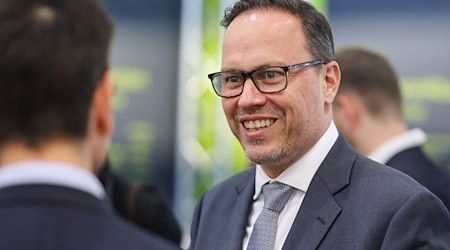
At the East German Economic Forum, Economics Minister Panter plans to promote the Free State as a location for the future. Together with other eastern states, Saxony wants to carry more weight.

Leipzig is facing new economic challenges. Can the city's diversification strategies compensate for declining trade tax revenues?
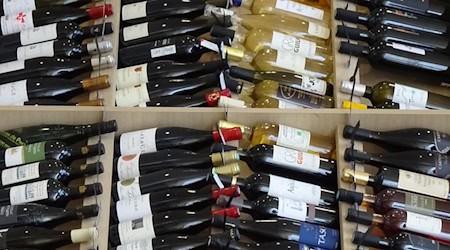
The rise and fall of Ebrosia: How an online wine retailer from Delitzsch became a success story and what the future holds.
East German companies are once again taking a more negative view of their situation. The Ifo Institute identifies two reasons for the poor mood.
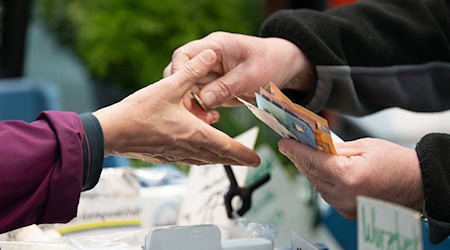
Prices have risen over the past twelve months. However, compared to March, the inflation rate is slightly lower. Falling energy prices were the main factor offsetting this.
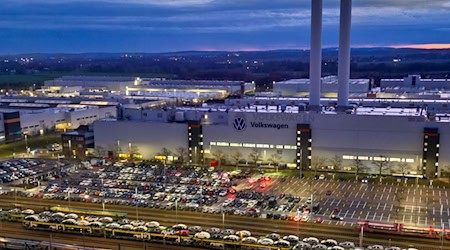
VW Zwickau celebrates its millionth electric car. But after job cuts and shifts being eliminated, the site is facing further cuts - and is pinning its hopes on a new business segment.
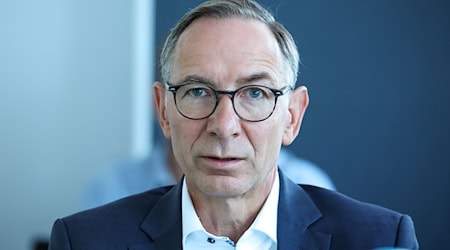
The chemical industry is under pressure. The Managing Director of the Leuna Chemical Park is calling for a different energy policy and is relying on Russian gas.
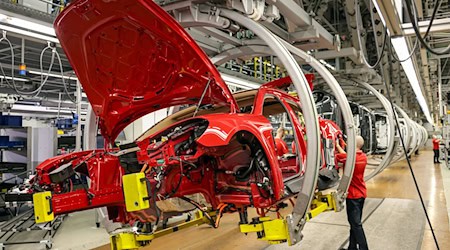
Figures on Saxony's industry prove it in black and white: the economic engine of industry stuttered last year.
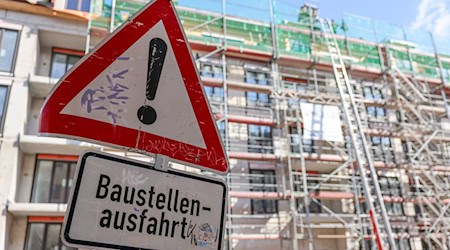
The business climate index in eastern Germany rose slightly in March. But not every sector believes in the upturn.
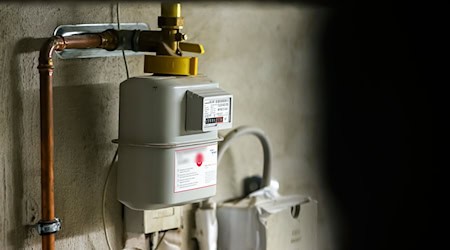
Consumer prices are rising faster in Saxony than in the rest of the country. This has been placing an above-average burden on households for months.
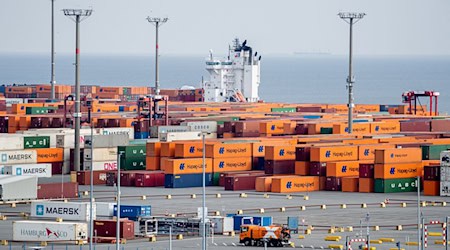
In the past, when there was talk of a north-south divide between the federal states, Bavaria and Baden-Württemberg were often in the lead. Now things are different - say researchers from the south.
Visit the Leipzig Night of Apprenticeships on May 23 and experience over 150 professions, 120 companies and 40 dual study programs up close in one evening. Secure your place now and try out professions!
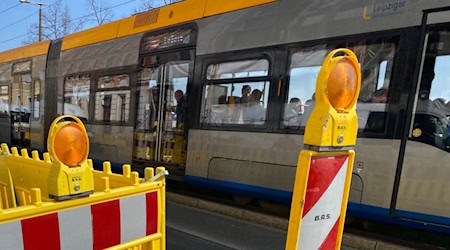
The restructuring of Heiterblick GmbH poses major challenges for everyone involved. Will the relaunch of the streetcar manufacturer in Leipzig succeed?
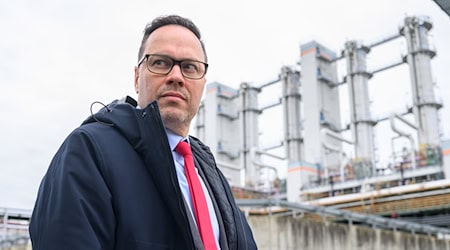
Saxony's chemical industry is clearly operating at full capacity. This not only puts jobs at risk - but also the future of entire locations.
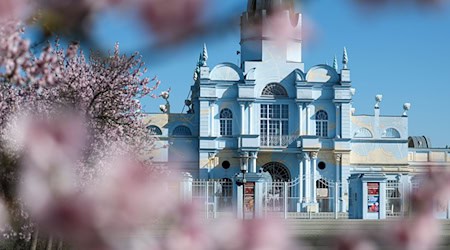
Belantis now belongs to a French amusement park giant. Plans for more visitors and new attractions are soon to be drawn up.
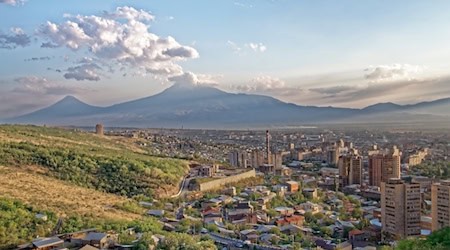
Leipzig and Yerevan are launching a joint year of culture to promote art and education. The agreement was signed in Yerevan.

Chocolate, coffee beans, spring cleaning: prices rose again in Saxony in March. Anyone who bought food or had their car spruced up paid more.

Eastern Germany's economy is somewhat more optimistic about the future. The Ifo index is rising slightly - but not all companies share this confidence.
Gross domestic product in Bavaria is falling for the second year in a row. One sector in particular is in the red.
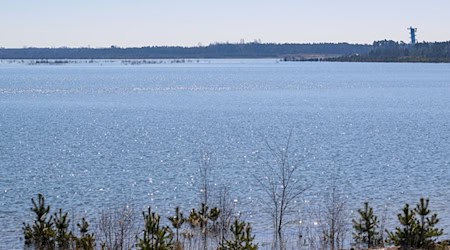
Water is becoming increasingly important for attracting companies. A conference will focus on the future of water management in Lusatia.
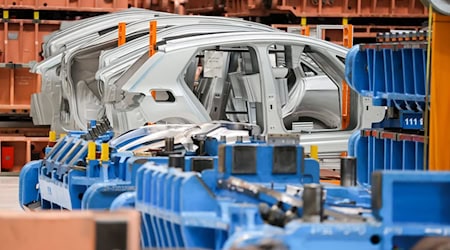
According to the employers' association Sachsenmetall, the situation in the metal and electrical industry in the Free State of Saxony is coming to a head. The situation is being compared to the coronavirus pandemic and financial crisis.

Since 2020, the number of breweries nationwide has fallen by almost 100. However, there has been an increase in Saxony.
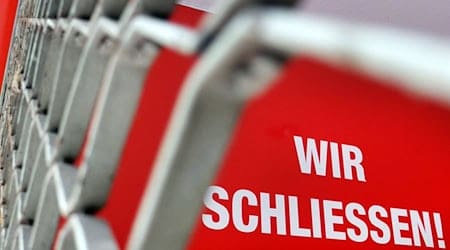
More bankruptcies, more despair: In Saxony, insolvencies recently rose by almost 14 percent, particularly in the retail and hospitality sectors. The Chamber of Industry and Commerce warns of a further worsening of the crisis.
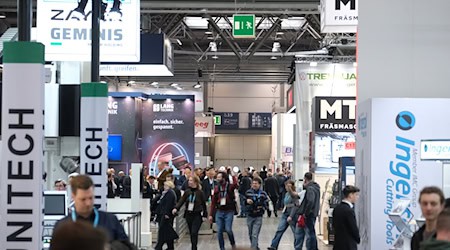
Full exhibition halls, international experts, exciting innovations: In Leipzig, two major industrial trade fairs show that the sector is looking ahead despite the difficult market situation.
Since June, the mood among eastern German companies has been on a continuous downward trend. Now there has been a turnaround, but one sector is pessimistic about the coming months.
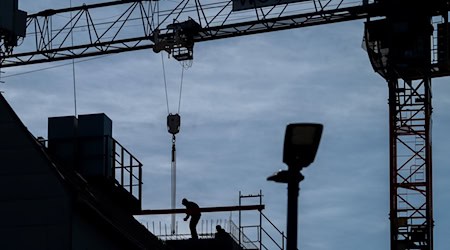
The construction industry has been on a long downhill slide recently. Now the downturn is at least slowing down. But the situation remains tense - especially in one sector.
In times of skills shortages, the public sector is in competition with the private sector. The Ifo Institute in Dresden is now sharply criticizing it as inefficient and not very digitalized.