loading

Nachrichten werden geladen...

News zu #Bergakademie

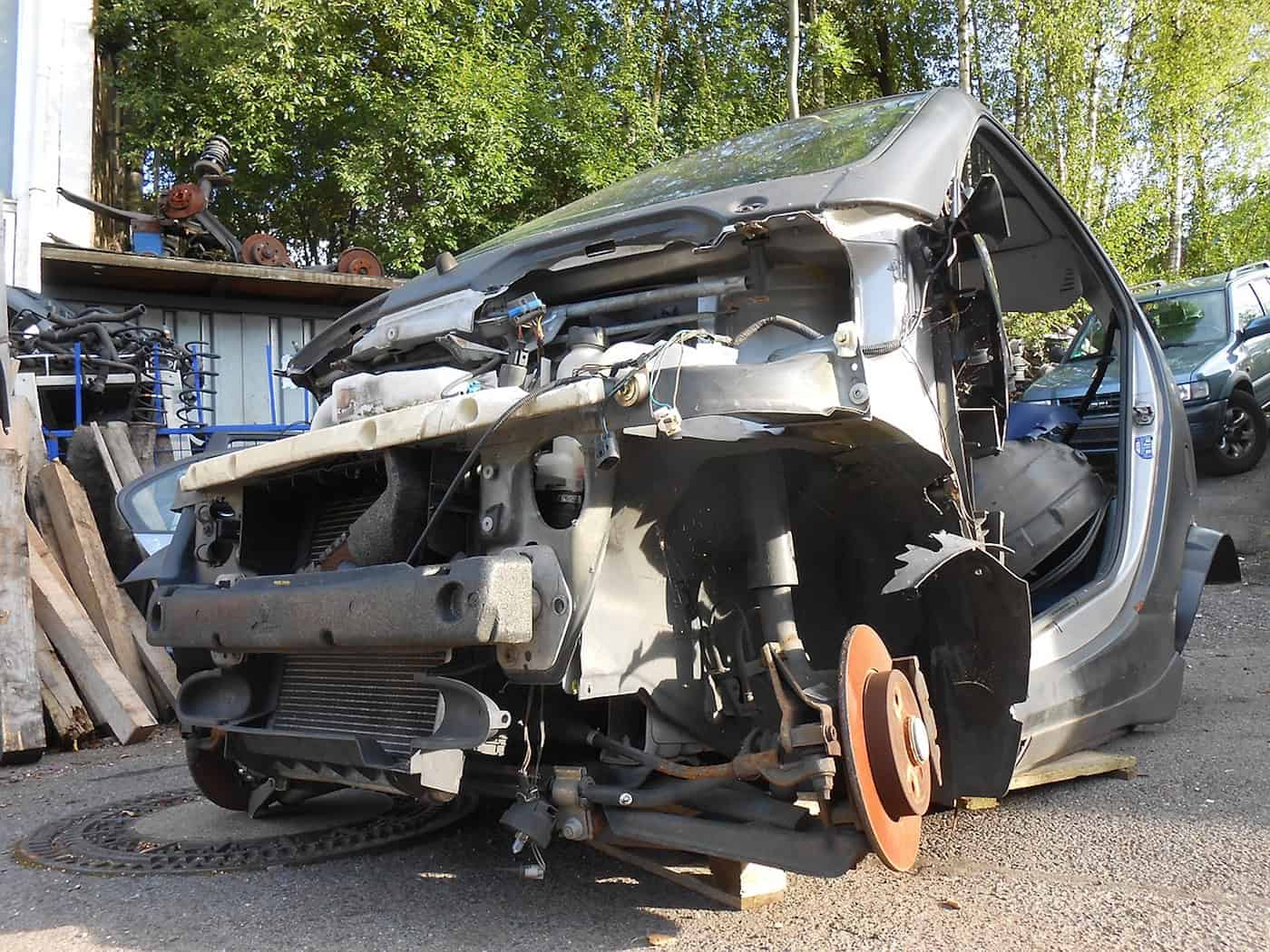
Valuable scrap: Every old car contains materials that could be used in new vehicles - if the recycling is right. © pixabay/SmartRecycling

From scrapyard to new car: Freiberg research makes it possible

The old car may soon be in the next new car. Researchers at TU Bergakademie Freiberg have teamed up with the BMW Group to investigate how steel, glass and plastic from end-of-life vehicles can be reused as high-quality raw materials. It is already working for steel - more research is needed for glass and plastic. What the Car2Car project shows and why this is important for our climate.
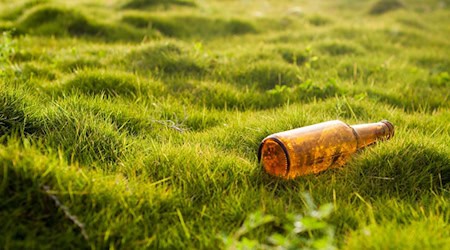
Amber glass protects foodstuffs such as beer - but its production harms the climate. Freiberg researchers want to change that. © pixabay/Letone

The greener beer bottle comes from Freiberg

Brown bottles protect beer and medicines from light, but their production has a negative impact on the climate. A team from TU Bergakademie Freiberg has proven in the laboratory that amber glass can also be produced using electricity instead of natural gas. 86 percent less CO₂ would be possible. How this works and what the trick is with the "cold lid" on the red-hot melt.

Magnesium sheet during forming: At TU Bergakademie Freiberg, components are produced that are a third lighter than aluminum. TU Bergakademie Freiberg

Lighter than aluminum: How to make magnesium fit for industry

A metal that is lighter than aluminum and yet is hardly used - this is now set to change. Researchers at TU Bergakademie Freiberg have spent three years working on making magnesium fit for industry. With hydrogen, clever processes and a new alloy, they have succeeded. The first prototypes prove it: This material has a future.

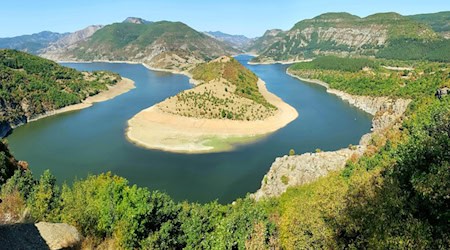
The Arda meanders through the Rhodope Mountains in southern Bulgaria. Researchers at TU Bergakademie Freiberg have re-dated the formation of the mountain range. © pixabay/Svetoslav Markov

Bulgarian mountains are 40 million years younger than thought

Like an elevator to the top: Researchers at TU Bergakademie Freiberg have used computer models to show how the Rhodope Mountains in Bulgaria were formed. Sunken rocks from the African plate rose again from a depth of 100 kilometers. The result: the mountain range is 40 million years old and therefore significantly younger than previously assumed.