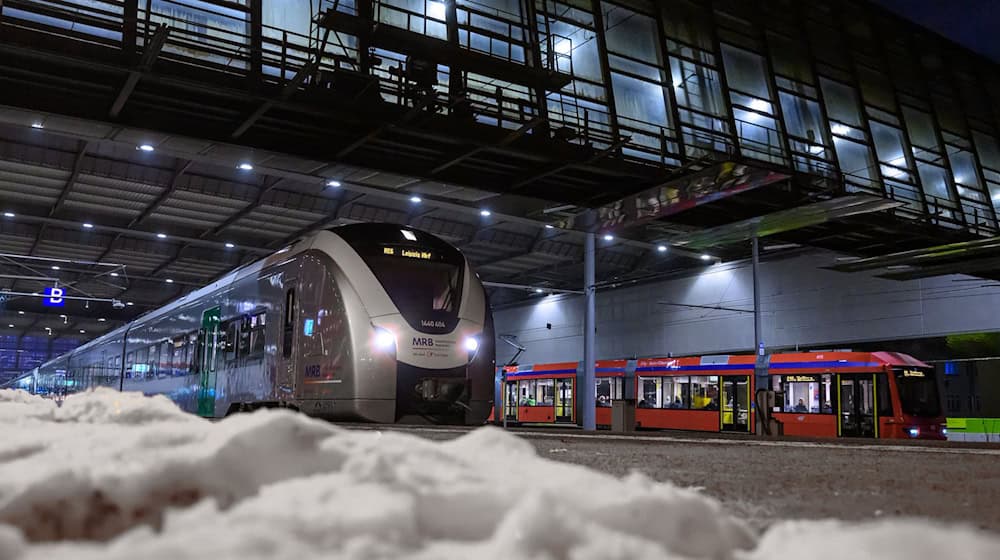
Premiere: Battery train on the road between Leipzig and Chemnitz
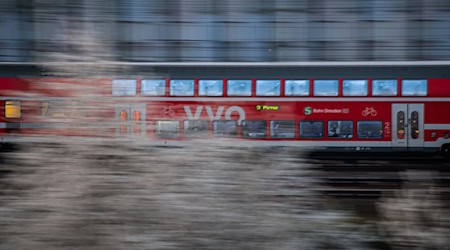
Saxony premiere with a two-year delay: a battery-powered train now regularly connects the two cities. It is gradually replacing the diesel locomotives on the line.

Nachrichten werden geladen...
Saxony premiere with a two-year delay: a battery-powered train now regularly connects the two cities. It is gradually replacing the diesel locomotives on the line.
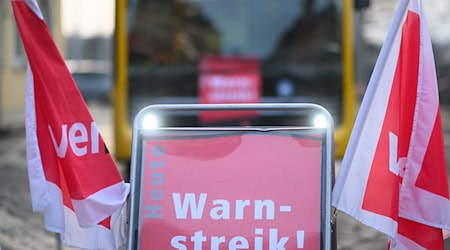
Local public transport will come to a standstill in four cities in Saxony on Monday. The reason is a warning strike by employees after wage negotiations failed to produce a result.
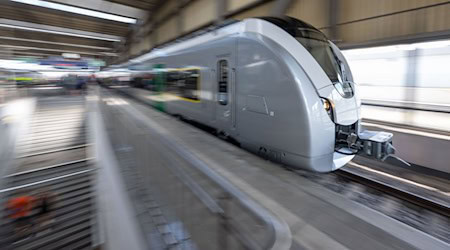
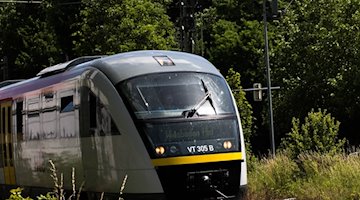
Two years of delay, but now the time has come: 300 seats, double traction and a premiere for Saxony. Next week, the first battery-powered train will carry passengers between Leipzig and Chemnitz.
Two years of delay, but now the time has come: 300 seats, double traction and a premiere for Saxony. Next week, the first battery-powered train will carry passengers between Leipzig and Chemnitz.
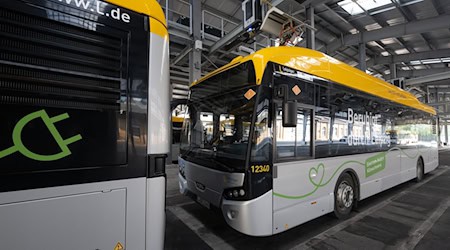
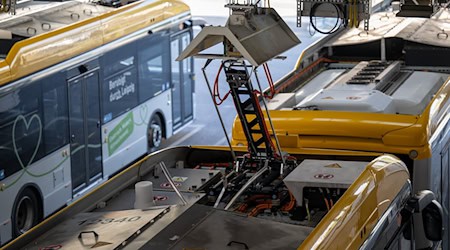
In large cities such as Leipzig, e-buses have long been part of everyday public transport. In rural areas, they are rather rare. Now one district is following suit and sees itself in a pioneering role nationwide.
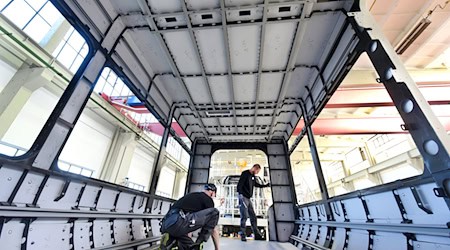
A sigh of relief in Leipzig: Polish company Pesa takes over Heiterblick, secures jobs and wants to boost production considerably. What this means for current orders and the future of the site.
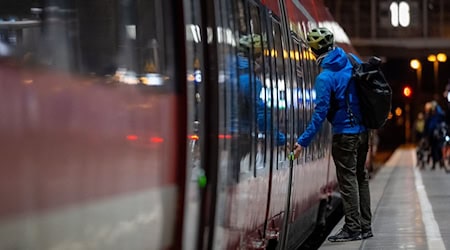
From Monday, construction work on two regional train lines in Saxony will result in train cancellations and changed travel times. What commuters need to be aware of now.
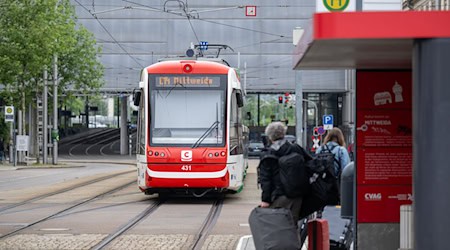
The Chemnitz model links the city with the surrounding area by rail. There are connections to Burgstädt, Mittweida, Hainichen, Aue and Stollberg. Another section will soon be built.
From 2026, two large transport associations in eastern Saxony want to work together. What will change for passengers and why a standardized ticket is planned.
Leipzig streetcar builder Heiterblick is negotiating with several investors. Who could save the company? The search for investors reaches a decisive phase.
In rural areas, there is often only one bus a day. If you don't have a car, you are not really mobile. The bus industry would like to change this, but it's not just a lack of money.
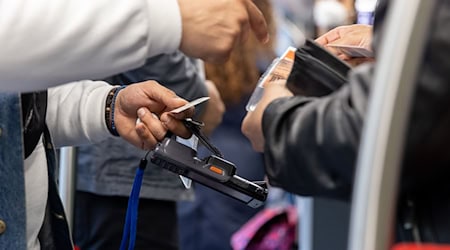
In Dresden and Magdeburg, more passengers were caught without tickets this year than in previous years. The damage in Dresden alone runs into millions of euros.
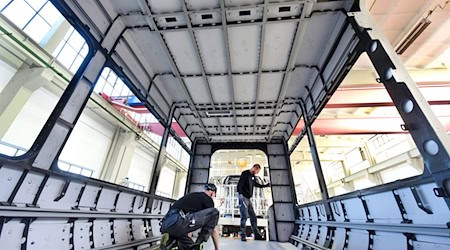
The Leipzig streetcar manufacturer Heiterblick is struggling for its future and its employees are already on short-time working. Now the company is also losing an important order. What happens next?
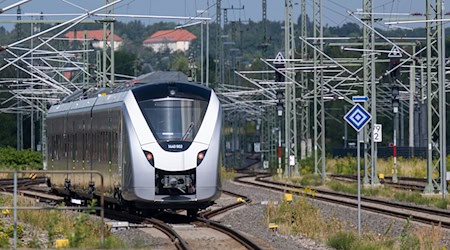
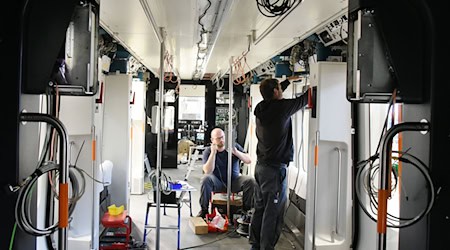
Mitteldeutsche Regiobahn wants to replace diesel operation with the new battery-powered train. Training and test runs between Leipzig and Chemnitz are scheduled first.
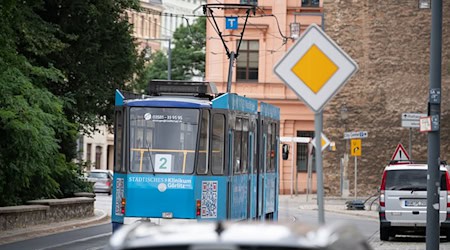
Bus and train tickets in eastern Saxony will be more expensive from August - with exceptions for schoolchildren and occasional travelers. What will change for passengers and who can benefit despite the price increase.
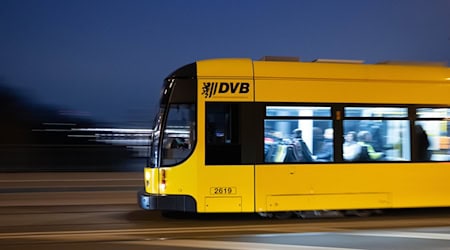
The city of Dresden has to save money. This also affects the transport companies. Services are being adjusted, especially during the school vacations.
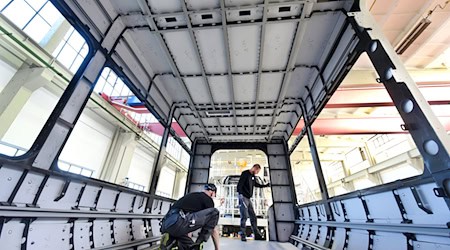
Economic crisis at streetcar manufacturer Heiterblick - but the major contract for Leipzig, Görlitz and Zwickau is to continue for the time being. This brings a noticeable sense of relief to the transport companies.
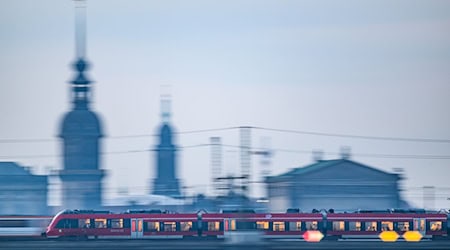
If you want to visit Saxony by bus or train, all you need is a timetable. The cooperation between the transport associations and local authorities makes this possible.
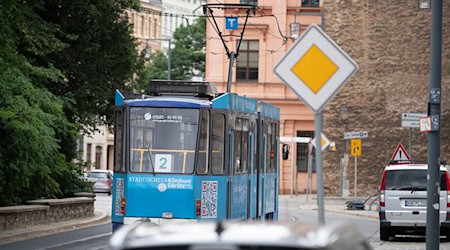
Transport companies are struggling with rising costs. Passengers are now feeling the effects. The good news: the ZVON service is being expanded on two lines.

More and more Leipzig residents are using environmentally friendly modes of transport. The Mobility Strategy 2030 is having an impact, and the eco-mobility continues to benefit.
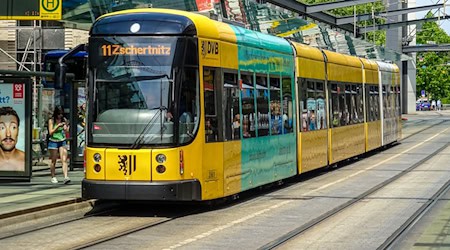
The CDU parliamentary group in the city council wants to prevent the DVB cuts with an urgent motion. Despite financial challenges, DVB is ranked 5th in the Customer Barometer 2023 and impresses with its high quality.
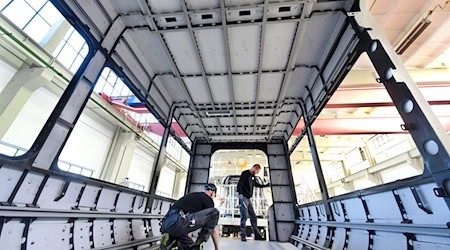
Leipziger Verkehrsbetriebe is to receive several million euros for a modern streetcar depot. The aim: a more efficient and environmentally friendly streetcar fleet for the future.
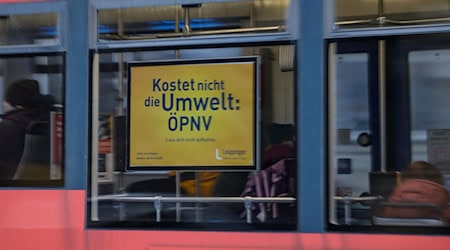
Saxony's cities and transport companies want more money from the federal and state governments for local transport. Otherwise there is a threat of service cuts. They are demanding investments of 200 million euros per year.
Saxony is providing additional money for municipal transport associations to counteract cost increases in local public transport.
Saxony secures additional funding for municipal transport associations and aims to improve planning and funding security in local public transport.
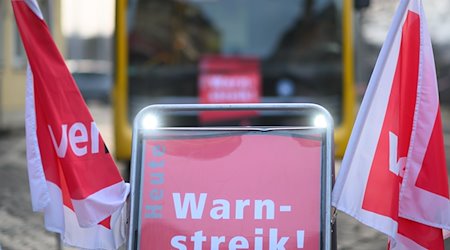
Verdi asks members about AVN's offer in the wage dispute in regional scheduled services in Saxony
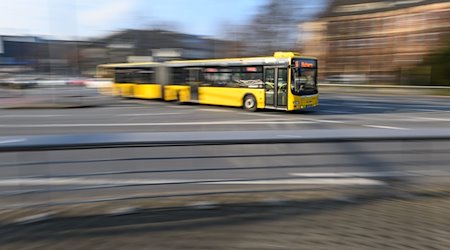
Passengers in the Dresden area must be prepared for higher prices on local transport
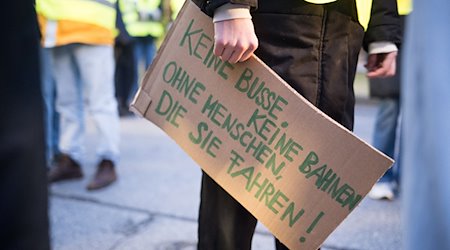
Fridays for Future is also protesting with Verdi during the announced warning strikes in local transport under the name "Wir fahren zusammen". Why the climate movement is joining workers' protests.
The traffic turnaround is no good as an ideological dispute. Car traffic in large cities and metropolitan areas is often on the verge of collapse and pollutes the environment. Suburban connections by public transport and commuter trains often do not work well. Doubling spending on public transit and long-distance commuter rail is needed. There is also a need to shift freight traffic back from highways to rail and waterways. The goal should be large-scale container loading onto rail and waterways. Freight forwarding should only take place over the last mile.