Around 14,000 people in Germany are diagnosed with blood cancer every year. For many of those affected, a stem cell transplant is the only chance of a cure. But what is the best preparation for this procedure - especially for older people or those with previous illnesses? This is exactly what researchers from Dresden and Kiel now want to find out.
The RELEVANT study has been running since the beginning of 2026. According to those responsible, it is currently the largest of its kind in Germany. 220 patients are expected to take part. They all suffer from acute myeloid leukemia (AML) or myelodysplastic syndrome (MDS). Both are forms of blood cancer in which the bone marrow produces faulty blood cells. "For most patients, a transplant is the only chance of curing the blood cancer, which is why we need to identify the most suitable treatment method," says Prof. Christoph Röllig from Dresden University Hospital.
What is a stem cell transplant?"
In an allogeneic stem cell transplant, i.e. a transfer of stem cells from another donor, patients first receive intensive chemotherapy. This is intended to destroy the diseased haematopoietic system so that the healthy donor cells can take over. It is precisely this preparation, which doctors call "conditioning", that is the focus of the study.
Two chemotherapy combinations are being compared: one with the active ingredient treosulfan, developed in Germany, and one with melphalan, which is widely used worldwide. Allocation to one of the two therapies is randomized. Experts refer to this as a randomized study.
Who should benefit from the study?
This is a so-called phase 2 study in which efficacy and tolerability are systematically tested. The study is particularly aimed at people over the age of 50 and patients with pre-existing conditions. For them, a transplant is associated with greater risks. "So far, we lack data on whether the therapy with treosulfan or melphalan is better tolerated or even more effective," explains Prof. Friedrich Stölzel from the University Medical Center Schleswig-Holstein in Kiel, who is leading the study together with the Dresden team. "That's why a direct comparison is so important."
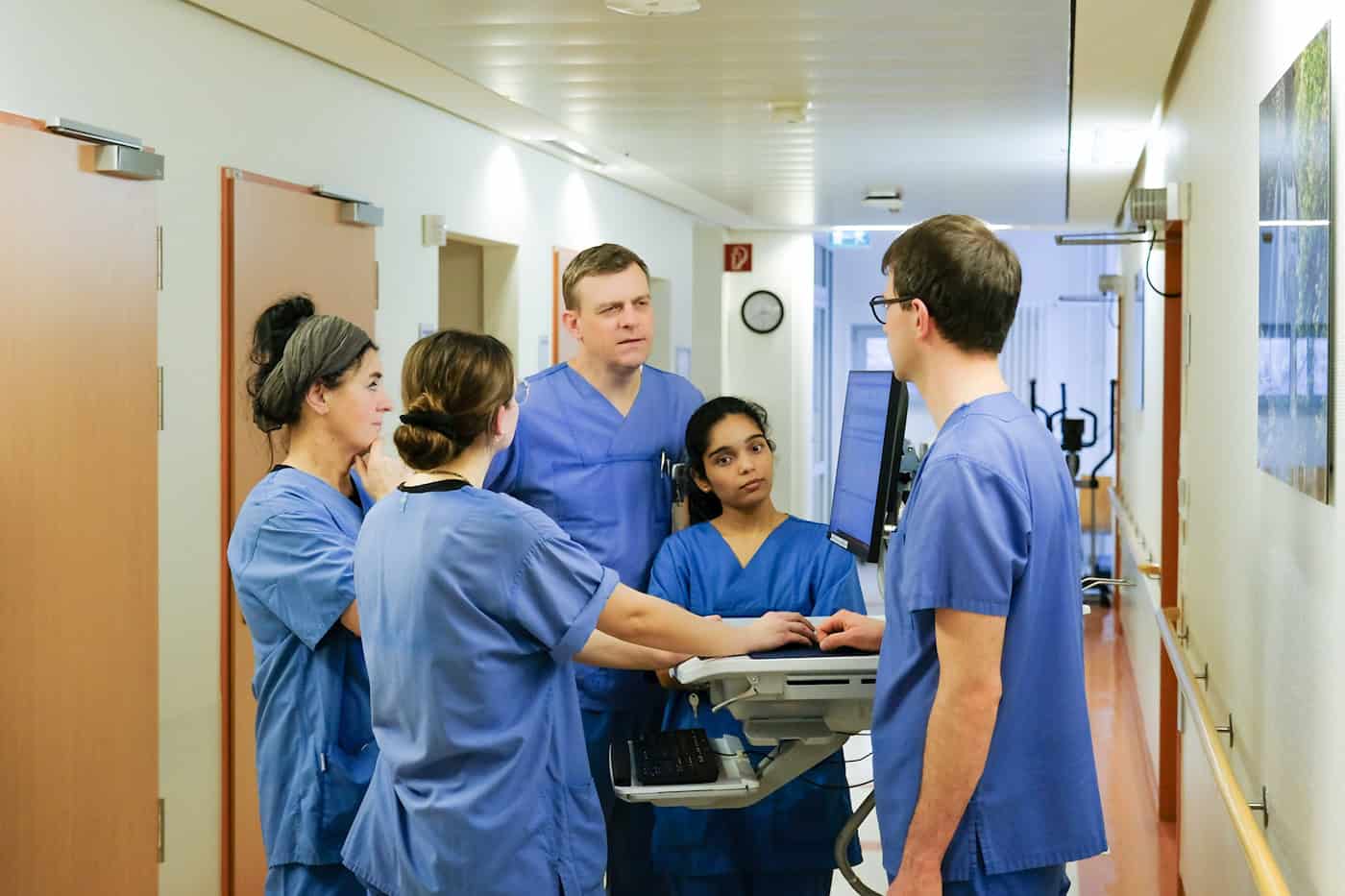
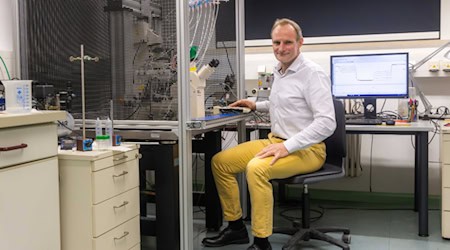
Prof. Friedrich Stölzel (center) and his colleagues at Kiel University Hospital. They are conducting the study together with their colleagues in Dresden. © UKSH
Dr. Désirée Kunadt from the Medical Clinic I at Dresden University Hospital adds that the main aim is to improve survival for particularly vulnerable patient groups and to optimize the safety and efficacy of transplantation in the long term. The study is being supported by the Technical University of Dresden and medac GmbH.