loading

Messages are loaded...

News about #recycling

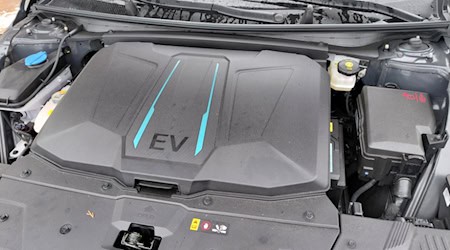
Electric motors contain valuable rare earths. Freiberg researchers are developing processes to recover these raw materials. Stefan Mundus-Weichert

Old e-car engines become new raw materials

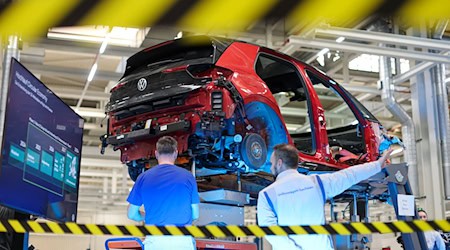
What happens to disused electric motors from electric cars? A new large-scale project aims to automatically recover valuable raw materials such as rare earths. TU Bergakademie Freiberg is developing new recycling processes for magnets. Robots are learning to dismantle drives. 25 partners are working on the circular economy for electromobility.

Black textiles cause major problems for sorting plants - Leipzig researchers are working on solutions. © AI-generated with ChatGPT

The black hole in textile recycling

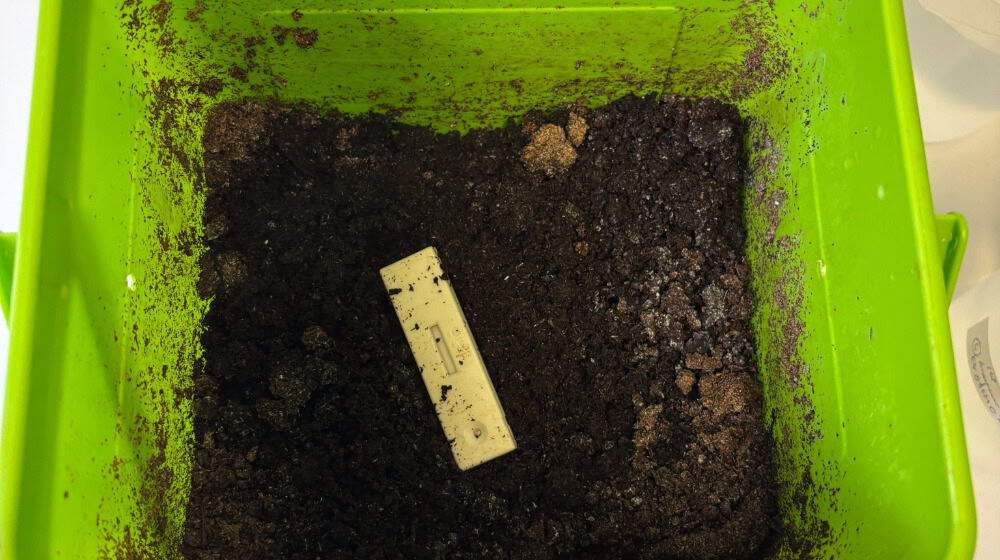
Black T-shirts and stretch jeans usually end up in waste incineration because sorting plants cannot recognize them. Researchers at the IOM in Leipzig want to change this. In a European project, they are developing new technologies with artificial intelligence that can also sort problematic textiles. The EU is funding the project with five million euros.

Fresh or not? The special camera analyzes the chemical composition of food in a matter of seconds. © pixabay/seolhee kim

New special camera detects rotten tomatoes and plastic counterfeits

A special kind of camera is being developed at the Fraunhofer IPMS in Dresden: it combines artificial intelligence with spectral analysis to detect the chemical properties of materials. The compact technology makes quality checks in factories, recycling plants and fields faster, more precise and more sustainable. From fresh food to single-origin plastic recycling - the development opens up numerous applications.

Cell phones contain valuable raw materials. Researchers from Freiberg have an idea on how to recycle them. © pixabay Pexels

Freiberg team wins millions in funding for clever cell phone recycling

Old cell phones and computers usually end up in the trash - but they contain valuable raw materials. A team from Freiberg has now developed a clever recycling process to recover gold, copper and rare earths. The six researchers from the Helmholtz Institute convinced an international jury and secured millions in funding. Their environmentally friendly process could help to reduce dependence on critical raw material imports.