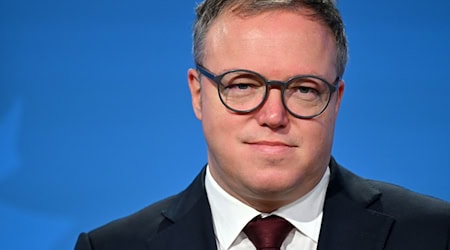
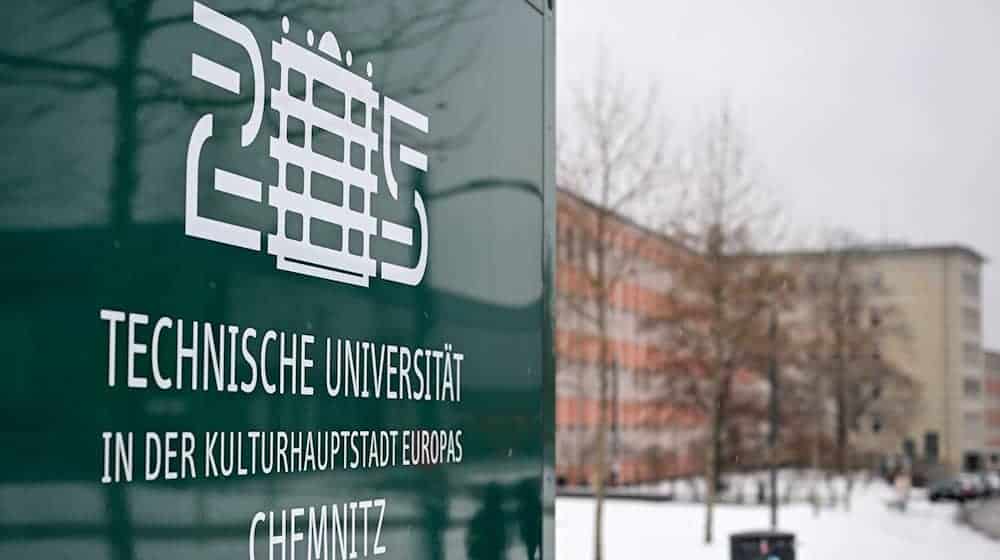
Changed the rules of the game during ongoing proceedings? Thuringia's Minister President Mario Voigt (CDU) made this accusation against Chemnitz University of Technology after it revoked his doctorate. The 49-year-old is under great political pressure because of this decision.
Because of his accusations against Chemnitz University of Technology, the university is also under scrutiny. What was changed, when and with what consequences? The university is not providing any details about the exact complaints in Voigt's dissertation and refers to the "non-public nature and confidentiality of the proceedings". However, the TU has already commented on the "rules of the game" in the proceedings.
What exactly are Voigt and his lawyers accusing the TU Chemnitz of?
When the withdrawal of Voigt's doctorate became known at the end of January, he wrote in a press release that an expert appointed by the university had come to the conclusion that Voigt's work met the scientific requirements. "After the external reviewer gave his clear vote against revoking his doctorate, new evaluation standards for plagiarism procedures were introduced in May 2025 and subsequently applied specifically to his dissertation," it said in a press release at the end of January. "To change the rules of the game retrospectively and drastically in an ongoing procedure is - to put it mildly - highly unusual," Voigt was quoted as saying.
Which rules and regulations were changed?
In fact, the doctoral regulations were changed. When the plagiarism proceedings were initiated, the doctoral regulations from 2022 applied, as the TU announced. New doctoral regulations came into force on March 6, 2025. The proceedings surrounding Voigt's dissertation were continued on the basis of the new regulations. The regulations were amended again in June 2025.
According to the university, paragraph 22 of the doctoral regulations is decisive for the plagiarism procedure. This had been "adapted by inserting gender-equitable language and correcting the reference to the amended Saxon Higher Education Act". "The content of these regulations has not been changed." Also relevant to the plagiarism procedure were the regulations on safeguarding good scientific practice from 16 June 2022.
Were other assessment criteria changed in the procedure?
According to the Faculty of Arts and Humanities, the Faculty Council's Doctoral Committee prepared a basic paper "to operationalize existing rules and the relevant legal provisions" from October 2024. The highest court rulings were also taken into account. The paper should "be used for an initial assessment in the event of a plagiarism check", according to the faculty.
The paper is entitled "Principles and criteria for the assessment of plagiarism allegations regarding completed doctorates at the Faculty of Arts and Humanities at Chemnitz University of Technology". It was finally adopted by the Faculty Council by resolution in May 2025. "It is to be understood as a guideline and only serves to pre-structure the decision-making process in individual cases," announced the Chemnitz University of Technology press office, referring to information from the responsible faculty.
Voigt wants to take legal action against the Chemnitz University of Technology's decision. What is the process?
Everything indicates that the matter could drag on for a long time. The decision to revoke the doctorate is an administrative act. The deadline for an appeal is one month. According to Voigt's lawyer, an appeal has already been lodged. At the same time, they have requested further access to the files. Only then will it be possible to justify the objection, which is the intention. The TU Chemnitz must then decide on the appeal.
This could take some time - there is also a lecture-free period in between. Voigt can only take legal action before the Chemnitz Administrative Court once the decision has been made. Another few months could pass before a decision is made there.
Why was the Chemnitz University of Technology's decision different to the first expert opinion it apparently commissioned?
This remains unclear in detail for the time being. Voigt and his lawyers repeatedly refer to the conclusion of the external expert. According to them, the expert came to the following conclusion: "The extent and quality of the misconduct are not significant enough to revoke the academic degree," they quote from the report, which was reportedly submitted in February 2025. Chemnitz University of Technology had pointed out in the past that the external report was included in the consideration, but that it "could not be the sole basis for the decision".
Voigt had written his dissertation on the topic of "The American presidential election campaign: George W. Bush versus John F. Kerry" and conducted interviews in the USA for this purpose.
Copyright 2026, dpa (www.dpa.de). All rights reserved