Hydrogen is seen as a potential building block for making energy-intensive industries such as steelworks, chemical plants and other factories more climate-friendly. But before the energy source can be used on a large scale, pipelines are needed. Work is also underway in Saxony - with pilot projects and political decisions, but also with unanswered questions about regional connections and distribution grids.
Why is green electricity alone not enough?
Electrification alone will not achieve the goal of climate neutrality, says Dominik Möst, Professor of Energy Economics at TU Dresden. "We still need molecule-based energy sources." Hydrogen is seen as a key component, especially for energy-intensive industries and for processes with very high temperatures.
Why do we need a network for this?
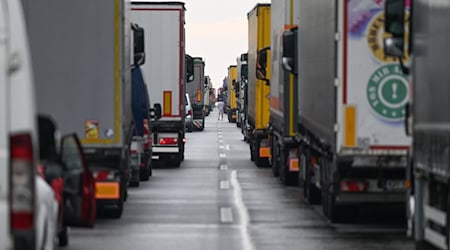
"While truck delivery is an option for low demand, this option is no longer the most cost-effective for high demand," explains Möst. Pipeline delivery is then significantly cheaper. Due to the lower energy density of hydrogen, road transportation quickly reaches its limits. A pipeline network is therefore a prerequisite for the industrial ramp-up.
What does the planned hydrogen network look like?
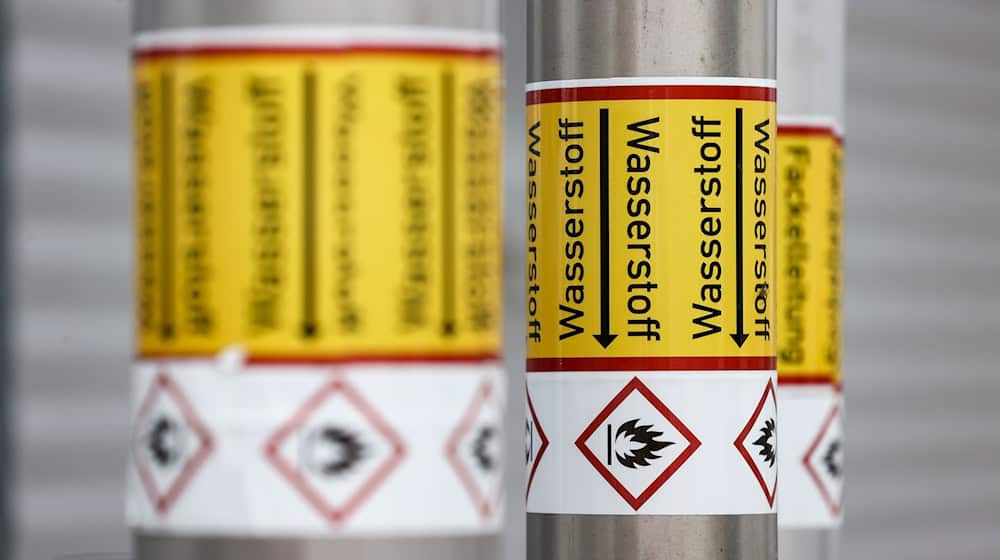
The basis for the expansion is the nationwide hydrogen core network, which was approved by the Federal Network Agency in October 2024. By 2032, around 9,040 kilometers of pipelines are to be built nationwide, mainly by converting existing natural gas pipelines. The core network will connect central producers, storage facilities and large consumers.
According to the Saxon Ministry of Economic Affairs, "the first stage of the hydrogen core network in the Free State will connect the Dresden, Leipzig and Zwickau areas as well as Lusatia and the Meissen industrial arc". The aim is to connect producers and customers and thus create investment security.
Where is the expansion furthest along in Saxony?
Planning is already well advanced in the Leipzig area. The BMW plant there is to be supplied directly with hydrogen via pipeline from mid-2027. BMW wants to become the first automobile production site in the world with such a connection. At the beginning of October 2025, the Group signed contracts with Mitnetz Gas and Leipzig-based transmission system operator Ontras.
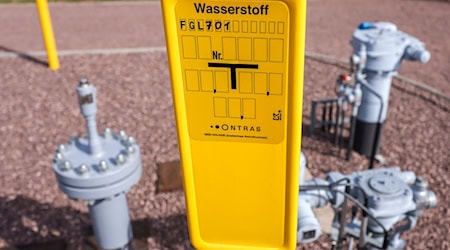
Ontras is responsible for expanding the hydrogen network in eastern Germany. With the so-called H2 starter network, Ontras is "implementing a hydrogen transport network covering around 600 kilometers for central and eastern Germany by 2032", the company announced. Around 80 percent of the pipelines are to be created by converting existing gas pipelines and around 20 percent by building new ones. In Saxony, around 120 kilometers of pipelines will be upgraded for hydrogen operation. "According to current planning, the Ontras H2 starter network in Saxony will be completed by mid-2028," said Ontras.
In addition to the transmission system operators' plans for the hydrogen core network, work is also underway at regional level to connect industry and commerce. The Central German metropolitan region has presented a target image for a future regional distribution network in the "Central German Hydrogen Network 2.0" study published in 2024. "The Saxon pipeline sections and demand clusters are clearly defined," says Jörn-Heinrich Tobaben, Managing Director of the Central German Metropolitan Region. This means that Saxony is firmly integrated into the overall national planning and can now move on to the development of further concrete projects.
What's in store for 2026?
2026 is considered to be an important implementation year according to the stakeholders involved. Among other things, Ontras expects progress in the conversion of central pipeline sections, for example between Bad Lauchstädt in Saxony-Anhalt and the north of Leipzig, which will later also supply the BMW plant.
In addition, the planning approval procedure for a so-called natural gas replacement construction measure in the north of Leipzig is scheduled for the coming year. According to the company, construction is scheduled to start at the end of 2026. The measure is intended to secure the heat supply when existing pipelines are converted to hydrogen.
According to the Saxon Ministry of Economic Affairs, the operators of the hydrogen core network will offer reservable transport capacities for the first time from the beginning of 2026. This would allow companies to secure entry and exit capacities and better secure their hydrogen projects.
Who has not yet been connected - and why is this causing criticism?
The fact that not all regions have been connected to the core network from the outset initially caused displeasure among some. There were fears, particularly in the coal-mining regions of eastern Germany, that they would be disadvantaged in the development of new energy infrastructure.
In the summer, Saxony's Economics Minister Dirk Panter (SPD) therefore called for a balanced energy policy from the federal government. New gas-fired power plants and hydrogen infrastructure are also important anchors for the ramp-up of the hydrogen economy. "When the federal government talks about security of supply, Lusatia must also be part of the solution - not just Bavaria or Baden-Württemberg," Panter said at the time.
In fact, Chemnitz and parts of south-west Saxony are not yet part of the first expansion stage of the core network. However, the state government emphasizes that it is continuing to work towards their connection. "We are lobbying the federal government to ensure that Chemnitz and south-west Saxony, Freiberg and Upper Lusatia are also connected to the hydrogen core network in the near future in addition to Leipzig, Dresden and the Meissen industrial arc," the coalition agreement states.
What is the significance of Lusatia?
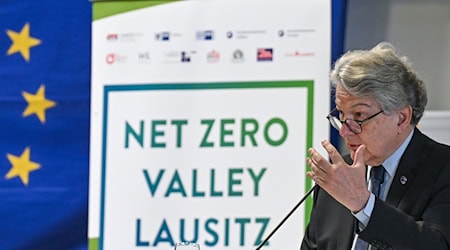
The grid expansion will be supported politically by the planned "Net Zero Valley Lusatia". The Saxon cabinet approved the project a few days ago. Together with Brandenburg, Lusatia is to become a role model for climate-neutral industry. Hydrogen is one of the key technologies here.
Economics Minister Panter spoke of a "historic opportunity". "We are creating planning security, stimulating investment and giving Lusatia a clear direction - towards becoming a strong, sustainable business location," he said. Although there are no concrete settlements yet, the first thing is to set a framework.
What does this mean for the population?
Most people will not use hydrogen directly. Indirectly, however, the development of the network can secure industrial value creation, create jobs and reduce CO2 emissions. However, it is also clear that green hydrogen is not yet competitive.
"The market ramp-up will only succeed with government funding," explains energy expert Möst. Whether the plans will become a viable network will probably be decided in the coming years. The coming year will be the first test for the ramp-up.
Copyright 2025, dpa (www.dpa.de). All rights reserved