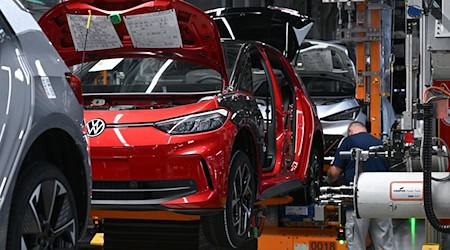
Car production in eastern Germany has recovered somewhat this year. By the end of October, 720,100 cars had rolled off the production lines, according to the German Association of the Automotive Industry (VDA) in Berlin. In the crisis year 2024, there were 709,600 cars in this period.
Saxony, Brandenburg and Thuringia in particular have larger plants belonging to car manufacturers such as VW, BMW, Porsche, Tesla and Opel. There are also a large number of suppliers. Some of the suppliers are undergoing a difficult structural change resulting from the trend towards electromobility and competitive pressure.
Slight increase in line with the national trend
A VDA spokeswoman in Berlin explained that car production in the eastern German states had developed in line with overall production, with an increase of one percent. "In general, it can be said that there are prospects for growth in the coming years due to the relatively high proportion of electric vehicles of over 50 percent in the new federal states."
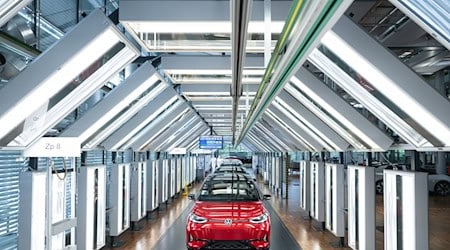
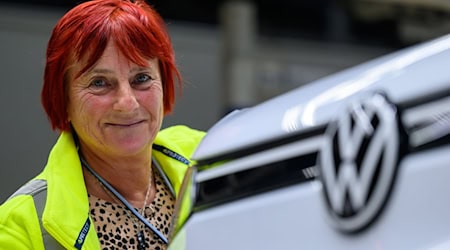
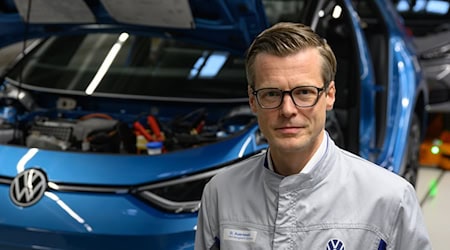
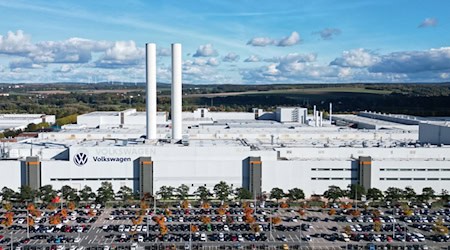
One of the major eastern German locations is the Volkswagen plant in Zwickau with around 8,500 employees and the production of exclusively electric cars. Car manufacturers Porsche and BMW have plants in Leipzig, Opel in Eisenach. Opel relies on various drive variants at its Thuringian plant - from hybrids to electric cars.
Problems in the Thuringian supplier industry
In Thuringia, the automotive supplier industry is currently experiencing problems due to a loss of sales. The industry association Automotive Thuringia (at) spoke of an alarming development, because in a survey three out of
four companies reported declining sales and the willingness to invest has fallen to an all-time low.
The reason for the problems is still weak demand, a course of electromobility that companies believe has been uncertain for too long, structural competition problems and international tensions.
According to the survey, eleven percent of companies in Thuringia reported rising turnover and nine percent reported an increase in employment. According to the industry association, a long overdue change of course has now been implemented with the corrections to the European electrical strategy. This applies in particular to a stronger integration of plug-in hybrids into the European e-mobility strategy.
Copyright 2025, dpa (www.dpa.de). All rights reserved