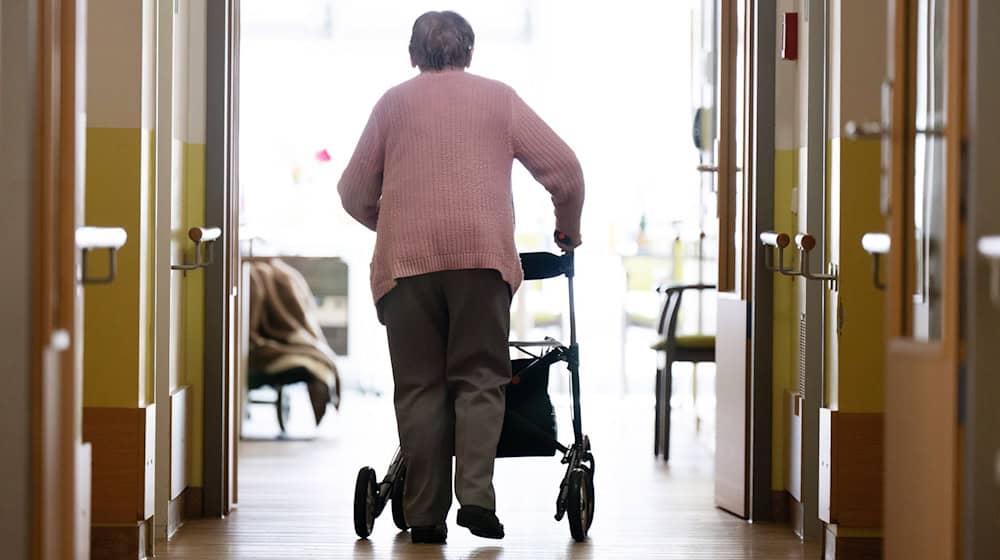
Nursing home care is becoming more expensive - parliamentary groups call for reform
Care for the elderly in Germany is becoming a nursing case. As co-payments continue to rise in homes in Saxony too, calls for reform are getting louder and louder.

Los mensajes se cargan...
Care for the elderly in Germany is becoming a nursing case. As co-payments continue to rise in homes in Saxony too, calls for reform are getting louder and louder.
Who pays when nursing home care becomes more and more expensive? What the association is calling for and how Saxony compares with the rest of Germany.

Local authorities are sounding the alarm: social costs are rising rapidly and their deficits are growing. President of the German Association of Cities Jung calls for fundamental reforms and more digitalization.

In 2023, the statutory health insurance funds in Saxony spent more money. A particularly large amount of money is spent on medication - and the number of insured persons continues to grow.
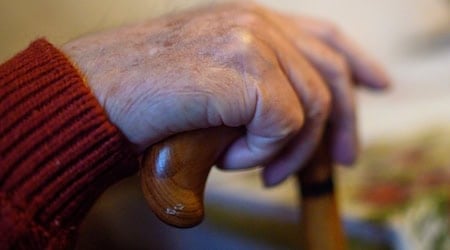
In Saxony, more and more people in need of care require state support. The cost of a place in a home is rising. What does this mean for those affected and their families?
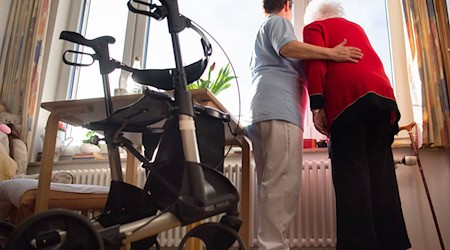
If care level 1 is abolished, more than 58,000 Saxons could have to do without important subsidies. What this means for independence in old age - and why the VdK is sounding the alarm.
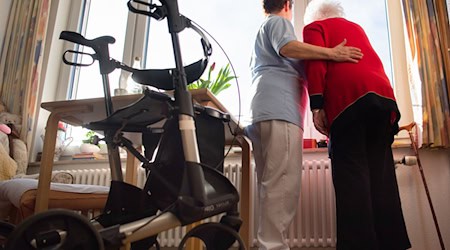
In the view of the Protestant Welfare Association, a flat-rate cap on care costs does not solve the structural problems. Partially comprehensive insurance could serve as a model for the new regulation.
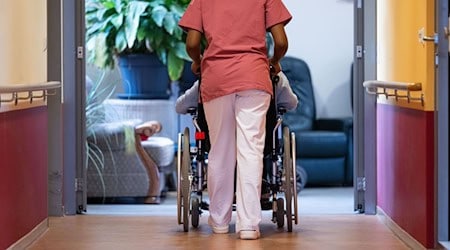
Care becomes a care case itself. The vast majority of those affected cannot afford to pay high personal contributions for accommodation in a care home. Resentment is growing.
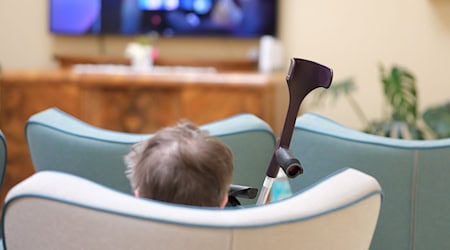
Residents have to bear some of the costs of nursing home care themselves. In Saxony, the amounts are below the national average, but there was a significant increase.
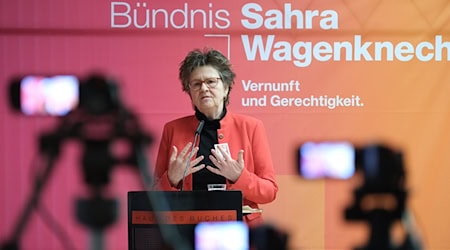
After the failure of a joint government alliance with the CDU and SPD, the Sahra Wagenknecht alliance now wants to work constructively in opposition. First plans have been set.
Contributions to health and long-term care insurance could rise more sharply in 2025 than previously feared. One of the reasons for this is the poor financial situation of long-term care insurance.

Care insurance is increasingly threatening to become a care case itself. Leading CDU politicians are pushing for a comprehensive reform and have now developed a concept.
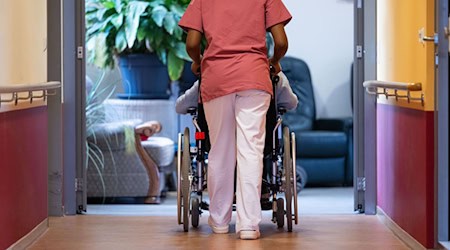
Elderly care is becoming a case of care itself. Many nursing patients are dependent on the social welfare office because their pension is not sufficient to cover the necessary personal contribution.