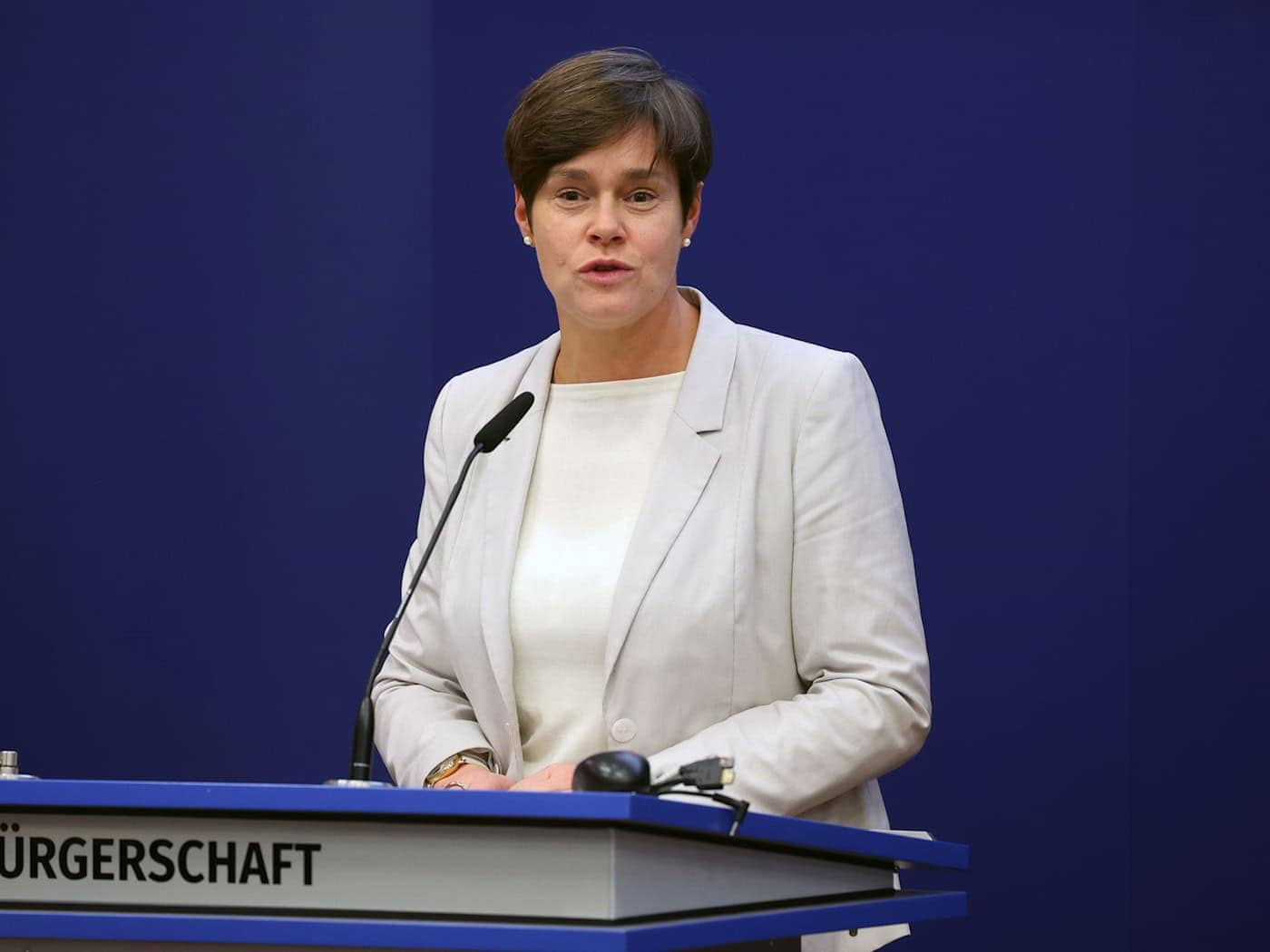
The reform of the heating law planned by the federal government poses major challenges for local authorities, according to eastern German cities. Around 43 percent of municipalities have already completed the heating planning with great effort, while others are on the verge, said the Mayor of Rostock, Eva-Maria Kröger (Left Party), following the conference of East German cities. Around 25 mayors came together at the two-day meeting in Cottbus.
Under current legislation, the cities would have to have their heating plans in place by mid-2026, said Kröger. "An adjustment four months before the finish line is a challenge for some cities."
Federal government plans reform of the Heating Act
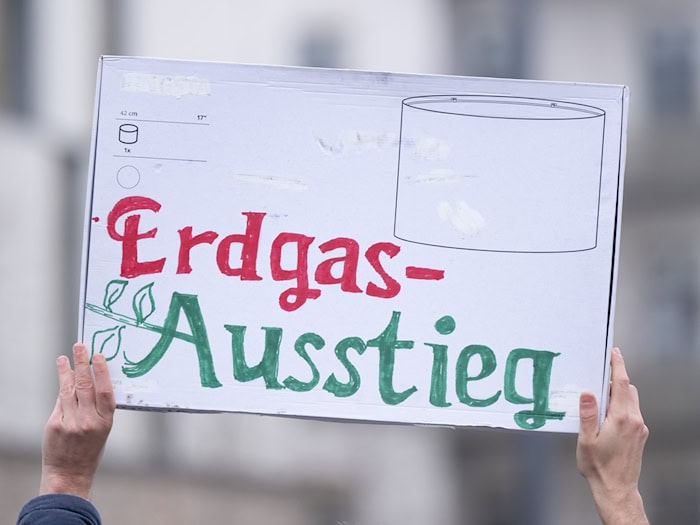
The CDU/CSU and SPD want to fundamentally reform the Building Energy Act, which was pushed forward by the traffic light government and former Economics Minister Robert Habeck (Greens). Central provisions of the "Heating Act" are to be overturned. Key points for a reform stipulate that the installation of gas and oil heating systems should continue to be possible if climate-friendly fuels are used proportionately from 2029.
Brake on the expansion of district heating
The cities criticize, among other things, that the switch to a new type of heating system is being postponed further into the future than before, which is slowing down the expansion of district heating. However, this should not lead to money being spent on converting entire city districts to district heating and then only a few households being connected, said Kröger.
Christian Schuchardt (CSU), Chief Executive of the Association of German Cities, drew attention to the additional financial burden that the heating transition would mean for local authorities. Even for medium-sized cities, he said, it was a matter of investing billions. This money is not in the account of the city treasurer or the municipal utilities, said Schuchardt, referring to the historically large nationwide deficit of municipalities of more than 30 billion euros per year.
Funding from the federal government "not enough in the end"
The cities are therefore calling on the federal government to increase funding for efficient heating networks, among other things. According to Schuchardt, 1.4 billion euros have so far been earmarked for this in the federal budget for 2026, with an increase to 3.5 billion euros only expected from 2030. "That's not enough in the end," said Schuchardt. In Würzburg alone, where Schuchardt was Lord Mayor until 2025, the combined investment for the transport and energy transition is around two billion euros.
Copyright 2026, dpa (www.dpa.de). All rights reserved